Product Center
High Pressure Chemical Pumps
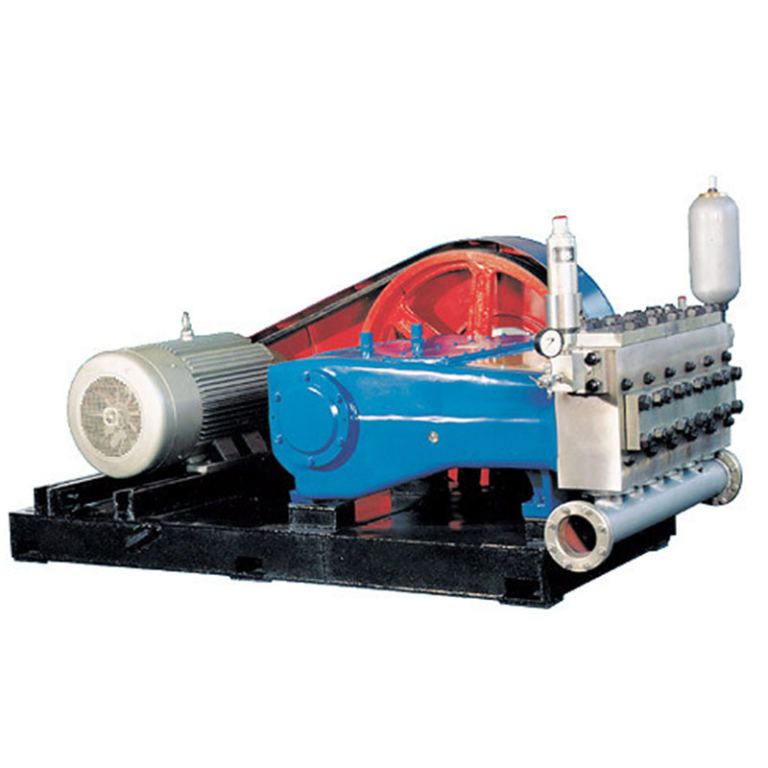
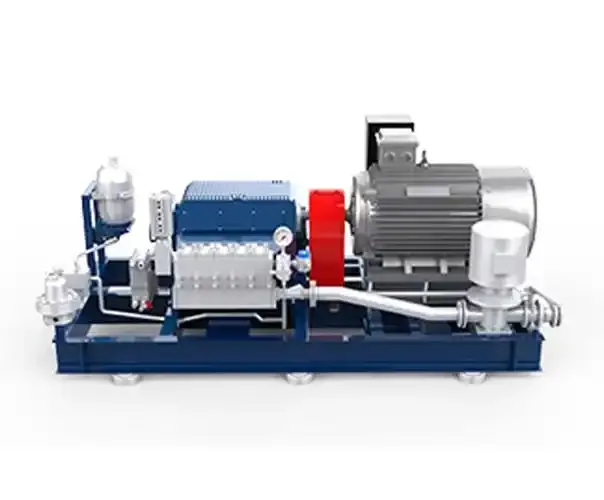
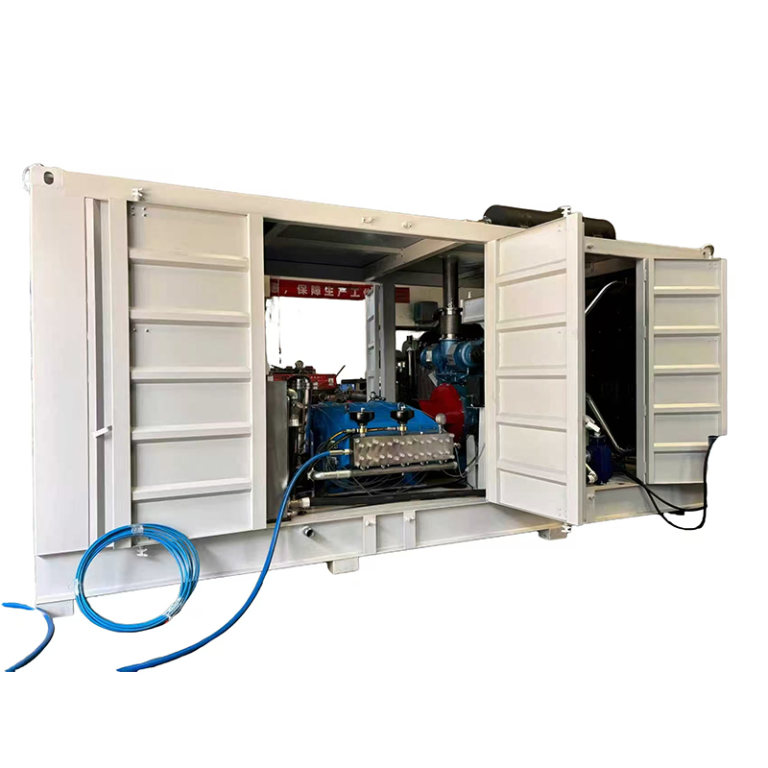
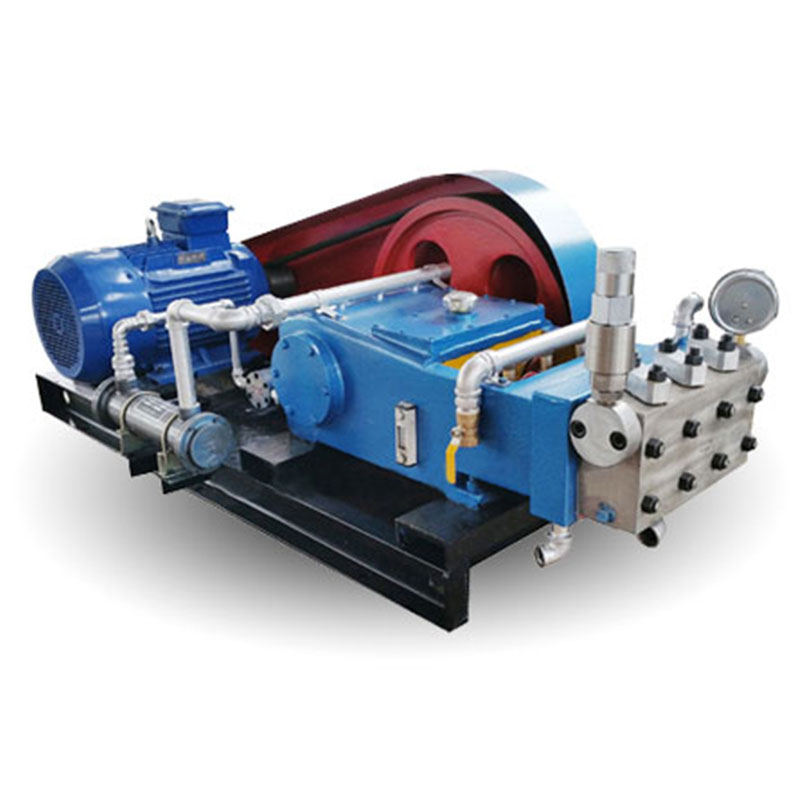
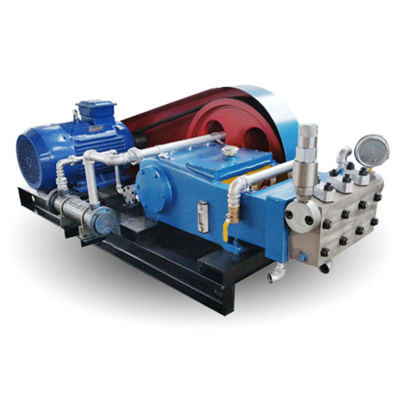
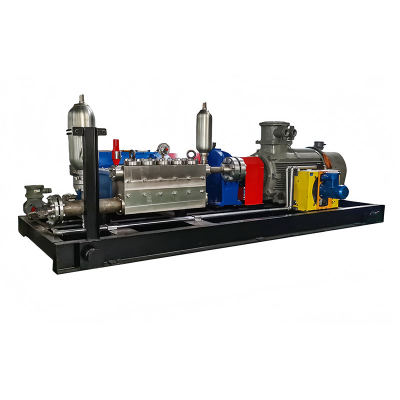
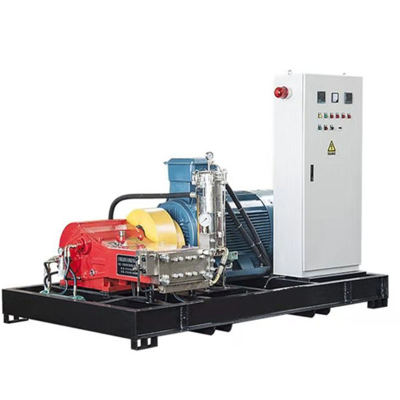
High pressure chemical pumps are reciprocating pumps for acids, caustics, solvents, and fine slurries when differential pressure is too high for a practical centrifugal stage. JET matches wet-end metallurgy and seals to the fluid data sheet, then quotes the unit as metering duty or transfer duty.
Share the fluid, flow, and discharge pressure for a faster OEM quote.
What High Pressure Chemical Pumps Are Used For
High pressure chemical pumps feed reactors, meter corrosive additives, descale process equipment, and transfer solvents or fine slurries where leakage and pressure loss are unacceptable.
Typical plants include chemical production, petrochemical units, and industrial dosing. A high pressure reactor injection pump uses the same architecture only when the seal plan and metallurgy match that fluid.
High Pressure Chemical Pump vs a Centrifugal Pump
A centrifugal chemical pump moves larger volumes at moderate head. Efficiency falls as head rises, and a multi-stage train becomes costly when differential pressure stays very high.
Choose a high pressure chemical pump when discharge pressure exceeds what a practical centrifugal stage can hold, or when reactor feed and dosing need a controlled rate. Acids, caustics, and solvents still need metallurgy and seals sized to the fluid data sheet, not a water-pump rating.
Metering vs Transfer Duty
Buyers searching high pressure chemical pumps often mix metering (dosing) and bulk transfer on one RFQ. Metering needs turndown and a stable dose rate; transfer prioritizes moving volume safely at high differential pressure.
State the duty when you request a quote so the seal plan and controls match. The guides below separate metering from transfer and compare centrifugal options.
Materials and Seals to Specify
Do not buy on nameplate pressure alone. Share the fluid, concentration, temperature, and whether the media oxidizes, crystallizes, or carries fines. Mild acid and caustic at moderate temperature often start with 316 stainless; hot concentrated acid, wet chlorine, or some solvents may need duplex stainless, Hastelloy, or a lined wet end.
Elastomers and the seal plan—flush, packing, or mechanical seal—must match those same conditions. A quote that lists only pressure and flow is incomplete for chemical service.
Selection Guides
- How to Spec a High Pressure Chemical Injection Pump
- How to Select a High Pressure Caustic Pump
- How to Select a High Pressure Acid Pump for Corrosive Duty
- Chemical Dosing Pump vs High Pressure Chemical Metering Pump
- High Pressure Chemical Pump: Metering vs Transfer Duty
- High Pressure Chemical Pump vs Centrifugal Pump: Which to Choose?
- How to Select High Pressure Chemical Pumps for Acid & Caustic Duty
- Materials for High Pressure Chemical Pumps in Acid and Caustic Service
Frequently Asked Questions
What is a high pressure chemical pump?+
A high pressure chemical pump is a reciprocating pump that holds high differential pressure while moving acids, caustics, solvents, or fine process slurries. Specify it by fluid, concentration, temperature, flow, and pressure—not by a water-pump pressure rating.
What are high pressure chemical pumps used for?+
High pressure chemical pumps transfer and meter acids, caustics, solvents, and process slurries in chemical production, reactor feed, descaling, and industrial dosing—where high differential pressure and leak-free operation are critical.
What should I specify when buying a high pressure chemical pump?+
Provide media (acid, caustic, solvent), concentration, temperature, target pressure and flow, whether duty is metering or transfer, seal plan needs, and connection standard. A high pressure chemical pump quote should include wet-end metallurgy and elastomer compatibility—not MPa rating alone.
Can JET chemical pumps handle corrosive fluids?+
JET chemical high-pressure pumps offer material options for acids, caustics, solvents, and abrasive slurries. Wetted component selection depends on your media, temperature, and concentration—our team can recommend a suitable configuration.
Are these pumps used for metering and transfer?+
Yes. They serve reactor feed, descaling circuits, wastewater treatment dosing, and continuous process transfer where repeatable flow and leak-free operation are required.