
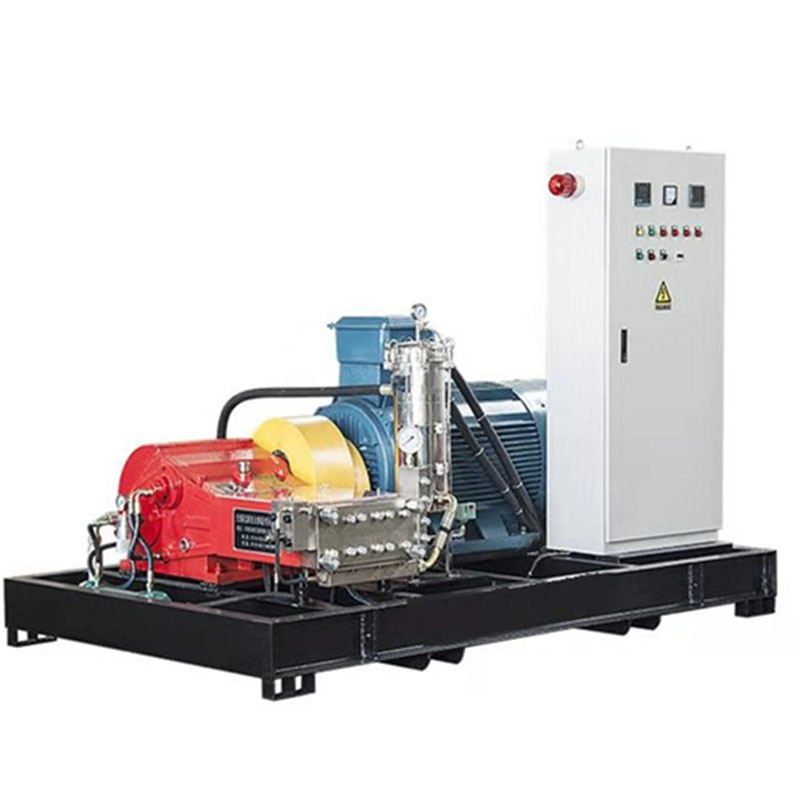
High pressure chemical pumps must contain aggressive fluids safely while holding stable pressure and flow—not every plunger pump rated for MPa fits acid, caustic, or solvent duty. Selection starts with the fluid data sheet: pH, concentration, temperature, viscosity, and whether the media is abrasive, oxidizing, or toxic. This guide covers material and seal choices, pressure–temperature windows, and how chemical duty differs from oilfield injection or standard industrial water service—including high pressure reactor injection pump feed when seals and metallurgy match the process.
What Does a Chemical High-Pressure Pump Do?
Chemical high-pressure pumps transfer process fluids in refining, chemical synthesis, descaling, reactor feed, and industrial cleaning where pressure must stay high and leakage is unacceptable. Typical media include acids, caustics, solvents, slurries with fine solids, and heated process liquids that attack standard carbon steel wet ends.
The pump is often the pressure boundary between stored chemical and personnel, piping, or the environment. That makes material selection, seal containment, and relief philosophy as important as flow rate on the datasheet. A pump that performs on water during factory test may fail quickly when exposed to hot hydrochloric acid or oxidizing bleach at operating temperature.
JET chemical high-pressure pump series targets industrial programs where operators need configurable wet-end metallurgy and seal options matched to the fluid—not a generic oilfield or mining package repainted for chemical service.
Chemical Pump vs Standard Plunger vs Injection Pump
Standard high-pressure plunger pumps built for water or hydraulic oil use carbon steel or basic stainless wet ends and packing suited to low-corrosion service. Oilfield injection pumps prioritize long steady flow of relatively clean water or polymer. Chemical pumps require fluid-specific metallurgy, compatible elastomers, and often double containment or leak detection on hazardous duties.
Do not assume a high MPa rating from another product line transfers to chemical service. Viscosity, vapor pressure, and crystallization risk change NPSH, seal cooling, and stroke speed limits. Slurries with fine catalyst or pigment need valve and liner geometry different from neat solvent transfer.
- Standard plunger: water, oil, low-corrosion industrial fluids
- Injection pump: clean water/polymer, long steady oilfield duty
- Chemical pump: corrosive, toxic, or heated process chemistry
Materials, Seals, and Compatibility
Start with the chemical compatibility chart from your process engineer—not the pump brochure alone. 316 stainless covers many mild acids and caustics at moderate temperature; hot concentrated acid, wet chlorine, or certain solvents may need duplex stainless, Hastelloy, or fluoropolymer-lined components.
Elastomers fail before metal on many duties: O-rings, valve seats, and diaphragms must match temperature and chemical exposure. Static seals on suction and discharge flanges need the same review as dynamic packing or mechanical seals.
For hazardous or fugitive-emission applications, specify seal plans with quench, flush, or barrier fluid compatible with the process. Document who supplies flush fluid and monitoring for seal failure—especially on batch reactors where pressure cycles frequently.
Pressure, Temperature, and Viscosity Limits
Operating pressure must include surge, hydrotest, and blocked-outlet scenarios within the pump and relief valve setpoint. Temperature affects corrosion rate, seal life, and viscosity—heated caustic or molten salt circuits need thermal growth allowance on the power end and piping anchors.
High-viscosity chemicals may need reduced crank speed or larger plunger bore to avoid cavitation at suction. Low-vapor-pressure solvents can flash at suction if tank level or line routing creates vacuum—review NPSH available versus required with the actual batch temperature.
Match motor or driver to continuous chemical duty with derating for altitude and ambient. Frequent start–stop batch programs wear seals faster than steady transfer—size maintenance intervals for your actual cycle, not a 24/7 water benchmark.
Containment, Relief, and Site Requirements
Chemical sites often require leak detection, drip containment, guard interlocks, and grounding compatible with explosive atmospheres in solvent areas. Skid layout should place valves and gauges where operators can monitor pressure without standing over the packing gland on toxic service.
Relief valves must be sized and routed to a safe destination per site standard—not reused from a water pump without revalidation. Document whether the pump sees dead-head during valve closure or if a recirculation line always holds minimum flow.
Regional codes and customer HSE policies may require material certificates, hydrotest records, and spare seal kits before first startup. Include those deliverables in the purchase order early to avoid mobilization delays.
Specifying a JET Chemical High-Pressure Pump
Bring the fluid MSDS or process datasheet, operating pressure and temperature, duty cycle, connection standard, and any seal plan requirement to your RFQ. Link requirements to the chemical high-pressure pump product line and note space, lifting, and ventilation constraints on the skid.
Request a quote through the contact page with destination port and startup timeline. Engineering can propose wet-end metallurgy, seal type, and frame size before you lock plant tie-in dates.
FAQ
What are high pressure chemical pumps used for?+
High pressure chemical pumps transfer acids, caustics, solvents, and process slurries in refining, chemical synthesis, reactor feed, descaling, and industrial dosing—where pressure must stay high and leakage is unacceptable. Material and seal selection must match the fluid, not only the MPa rating.
What is the difference between a chemical pump and a standard high-pressure plunger pump?+
Chemical pumps use fluid-compatible metallurgy, seals, and often enhanced containment for corrosive or hazardous media. Standard plunger pumps target water or low-corrosion industrial fluids. Pressure rating alone does not make a pump suitable for chemical duty.
Which materials are used for acid and caustic service?+
Material choice depends on acid type, concentration, and temperature—316 stainless suits many mild services; more aggressive chemistry may require duplex alloys, Hastelloy, or lined components. Always match elastomers and seals to the same fluid conditions.
Can chemical high-pressure pumps handle viscous or slurry fluids?+
Yes, when the fluid end and valve geometry are sized for viscosity and particle size. Provide viscosity data, solids content, and operating temperature so the manufacturer can set stroke speed, bore, and suction conditions correctly.
Does JET supply chemical high-pressure pumps for industrial plants?+
JET builds configurable high-pressure pumps for chemical, descaling, and industrial process programs. Share fluid data, pressure–temperature limits, and certification needs for your market when requesting a proposal.