
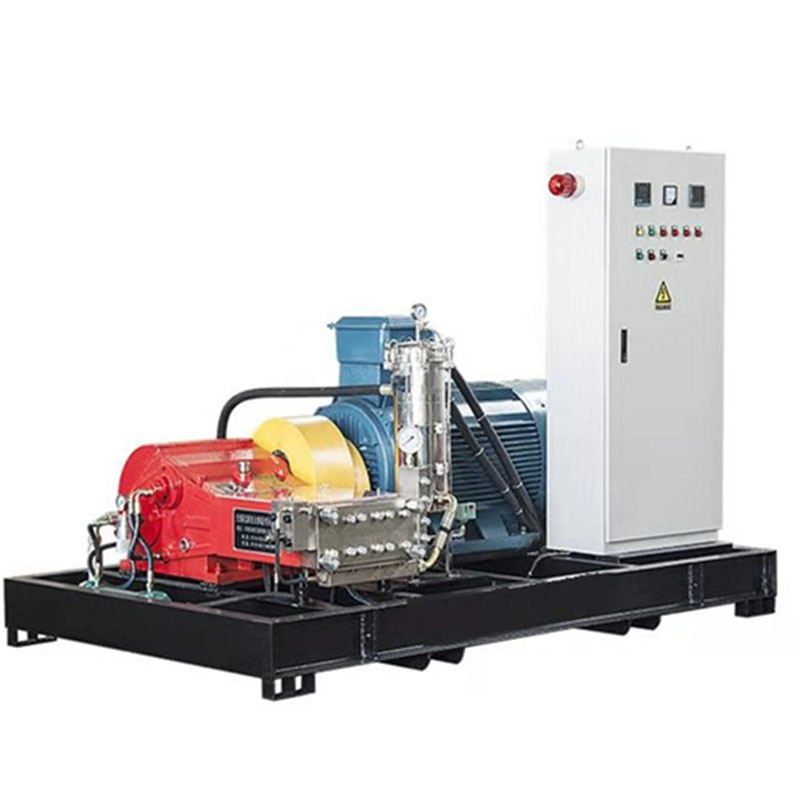
A chemical dosing pump meters a small, controlled volume into a line. A high pressure chemical metering pump—or high pressure dosing pump—is the reciprocating machine buyers need when acids, caustics, or solvents sit above what a standard dosing pump can hold. Search terms overlap; the machines do not. Choose by pressure, rate, and fluid—then request a quote with those numbers.
What a Chemical Dosing Pump Is Built to Do
Dosing pumps—also called metering pumps—are built for accuracy at low flow. Diaphragm and small-plunger designs add a set volume per stroke into cooling water, wastewater, or a low-pressure process line.
They are the right tool when the chemical volume is small and the line pressure sits inside the dosing pump’s rating. They are the wrong tool when reactor feed or transfer needs a differential pressure that dosing hardware cannot hold.
When the Duty Needs a High Pressure Chemical Pump
A high pressure chemical pump moves acids, caustics, solvents, or fine slurries at a differential pressure a practical centrifugal stage or a standard dosing pump cannot hold. The fluid data sheet still decides metallurgy and seals.
Use it for reactor feed, high-pressure dosing, and transfer where leakage matters. If the RFQ only says “chemical dosing pump” but lists a high discharge pressure, ask whether the duty is low-flow metering or high-pressure service.
- Fluid, concentration, and temperature
- Flow and the discharge pressure the line actually holds
- Metering accuracy versus moving a set volume
- Whether the fluid oxidizes, crystallizes, or carries fines
Why Both Names Show Up on One RFQ
Buyers search chemical dosing pump and high pressure chemical pump for the same plant because both inject chemicals. The split is duty. Dosing prioritizes a stable small dose. High-pressure service prioritizes holding pressure with a wet end matched to the fluid.
Write the duty in one sentence on the inquiry. A quote that only lists “chemical pump” can return a dosing unit that will not reach pressure, or a high-pressure unit that is larger than the dose you need.
What to Send JET for This Choice
JET builds high pressure chemical pumps for acid, caustic, and solvent duty and quotes them as metering or transfer once the fluid data sheet is known. A low-pressure dosing pump is a different machine.
Send fluid, concentration, temperature, flow, and discharge pressure. If you already own dosing pumps, say what pressure they cannot reach so the proposal stays on the high-pressure side of the duty.
FAQ
Is a chemical dosing pump the same as a high pressure chemical pump?+
No. A dosing pump meters small volumes inside its pressure rating. A high pressure chemical pump—or high pressure chemical metering pump—is specified when differential pressure is too high for that dosing pump, with metallurgy and seals matched to the fluid.
What is a high pressure dosing pump used for?+
A high pressure dosing pump injects chemical at a controlled rate when line or reactor pressure exceeds a standard chemical dosing pump rating. Specifiers often search high pressure chemical metering pumps for the same duty—share fluid, flow, and discharge pressure for a quote.
Can a dosing pump feed a high-pressure reactor?+
Only if the reactor pressure is inside the dosing pump’s rating. If it is not, the duty needs a high pressure chemical pump sized for that differential pressure.
What if I need both accuracy and high pressure?+
Say so. High-pressure metering is a real duty. It still needs the fluid data sheet, a controllable rate, and a wet end rated for the chemical—not a water-pump pressure figure.
Which JET product matches high-pressure chemical duty?+
The chemical high-pressure pump series. Share fluid, flow, and discharge pressure. Low-pressure dosing hardware is outside that package.