
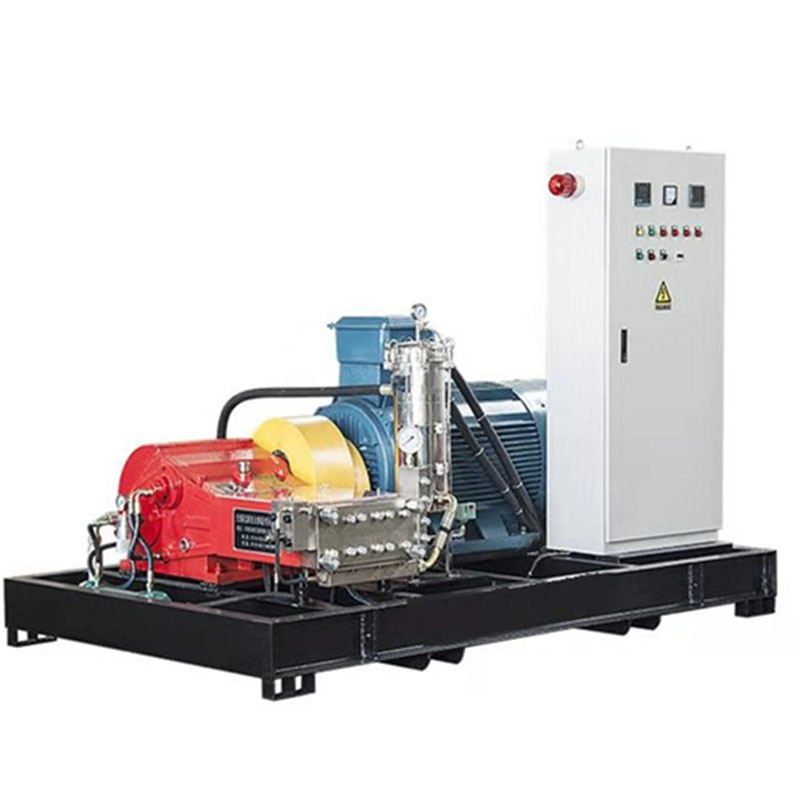
High pressure chemical pumps fail first at the wet end when metallurgy or elastomers do not match acid, caustic, or solvent duty—pressure rating alone is not enough. Material selection starts with concentration, temperature, oxidizers, and chlorides on the fluid data sheet. This guide covers common alloys, seal choices, and what to document before you order a chemical high-pressure pump package.
Why Materials Matter More Than MPa Alone
A pump that holds pressure on water can lose packing, seats, and liners quickly in hot hydrochloric acid or oxidizing bleach. High pressure chemical pumps are pressure boundaries for hazardous fluids—compatibility protects people and uptime as much as flow rate.
JET chemical high-pressure pump series configures wet ends to the fluid, not a one-alloy-fits-all oilfield frame.
Common Alloys for Acid and Caustic Duty
316 stainless covers many mild acids and caustics at moderate temperature. Hot concentrated acids, wet chlorine, or high chlorides may need duplex, super duplex, or nickel alloys such as Hastelloy on critical wetted parts.
Always verify with a compatibility chart for your exact concentration and temperature—generic stainless claims are not a substitute for process engineering review.
- 316 SS: mild acids/caustics, moderate temperature
- Duplex / super duplex: higher chlorides and strength
- Nickel alloys: aggressive acid or mixed oxidizer service
Elastomers and Seal Plans
O-rings, valve inserts, and packing often fail before metal. Match elastomer grade to temperature and chemical family; solvents can swell seals that survive caustic service.
Hazardous duties may require double mechanical seals, barrier fluid, and monitored leak paths. Document who supplies flush media and how seal failure is alarmed.
Temperature, Solids, and Abrasion
Higher temperature accelerates corrosion and softens elastomers. Fine catalyst or pigment slurries need valve geometry that passes solids without relying on water-service seats.
If the same high pressure chemical pump sees clean solvent and abrasive slurry on different campaigns, plan interchangeable wet-end kits rather than one compromise build.
Specifying Materials with JET
Attach MSDS or process datasheet, concentration, temperature, solids, and seal-plan preference to your RFQ. Link to the chemical high-pressure pump product page.
Request a quote through the contact page with destination and startup timeline so engineering can propose metallurgy and seals before plant tie-in.
FAQ
What material is best for high pressure chemical pumps on acid duty?+
It depends on acid type, concentration, and temperature. 316 stainless suits many mild services; aggressive or hot acids may need duplex or nickel alloys. Confirm with a compatibility review for your exact fluid—not a generic catalog claim.
Do high pressure chemical pumps need special seals for caustic?+
Yes. Elastomers and packing must match caustic concentration and temperature. Hazardous or hot caustic service often uses upgraded seal plans and monitored containment.
Can one chemical pump handle both acid and solvent?+
Only if materials and elastomers are compatible with both, or if you change wet-end kits between campaigns. Dual-duty without review is a common cause of early seal failure.
Does JET help select chemical pump materials?+
JET sizes chemical high-pressure pump wet ends from your fluid data. Share MSDS, temperature, and pressure when requesting a proposal.