
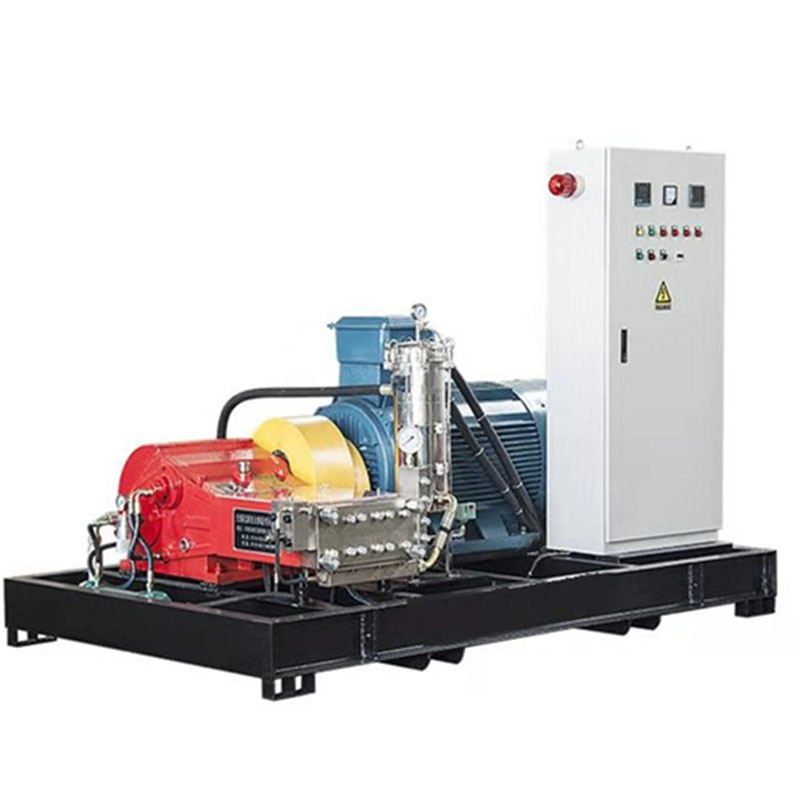
A high pressure chemical pump and a centrifugal chemical pump are not interchangeable—duty, differential pressure, and seal strategy decide which architecture fits. High pressure chemical pumps (often reciprocating plunger designs) excel at high ΔP, controlled rate, and leak-sensitive acid or caustic service. Centrifugals suit higher flow at moderate head. This guide compares both so process engineers pick the right high pressure chemical pump package—or know when a centrifugal remains the better buy.
When Do You Need a High Pressure Chemical Pump?
Choose a high pressure chemical pump when discharge pressure or differential pressure exceeds what a practical centrifugal stage (or multi-stage train) can deliver efficiently—or when you need tight rate control for reactor feed and dosing. Acids, caustics, and solvents also demand wet-end metallurgy and seal plans sized to the MSDS, not a water pump rating.
JET chemical high-pressure pump series targets corrosive transfer and metering where leakage risk and high ΔP dominate the design basis.
High Pressure Chemical Pump vs Centrifugal: Core Differences
Centrifugal chemical pumps move larger volumes at moderate heads with relatively smooth flow. Efficiency falls as head rises; multi-stage machines grow complex and expensive for very high pressure. Reciprocating high pressure chemical pumps hold pressure better at lower flows and suit continuous high-ΔP duty.
Pulsation management, NPSH, and seal flush differ. A centrifugal may need less pulsation hardware; a plunger chemical pump needs dampeners, relief philosophy, and packing or mechanical seal plans matched to the fluid.
- Centrifugal: higher flow, moderate head, smoother baseline flow
- High pressure chemical pump (plunger): high ΔP, precise rate, corrosive duty
- Decide from P&ID pressure, turndown, and fluid compatibility—not brand preference
Materials and Seals Still Decide Success
Neither architecture forgives wrong metallurgy. Hot concentrated acid, chlorides, or oxidizers can destroy stainless that “worked on water.” Match alloys and elastomers to concentration and temperature before you freeze the pump type.
For hazardous service, document double containment, leak detection, and relief routing in the RFQ for either pump style.
A Practical Decision Checklist
List required flow and discharge pressure, fluid data sheet, continuous vs batch duty, and available NPSH. If pressure is high and flow moderate with corrosive media, a high pressure chemical pump is usually the shortlist leader. If flow is high and head moderate with milder chemistry, start with centrifugal options.
Borderline cases deserve a vendor curve comparison for both types—including seal plan cost and spare parts lead time.
Specifying a JET High Pressure Chemical Pump
Share media, concentration, temperature, target pressure and flow, and seal plan needs. Link to the chemical high-pressure pump product page and note skid or indoor footprint limits.
Request a quote through the contact page with destination and startup date so engineering can propose wet-end materials and frame size.
FAQ
When should I use a high pressure chemical pump instead of a centrifugal?+
Use a high pressure chemical pump when you need high differential pressure, tight metering, or corrosive duty that exceeds efficient centrifugal head—especially for acid, caustic, or solvent reactor feed and dosing.
Are high pressure chemical pumps always plunger pumps?+
Many high pressure chemical pumps use reciprocating plunger architecture for high ΔP at controlled rates. Confirm the vendor’s wet-end and seal design against your fluid—pressure style alone does not guarantee chemical compatibility.
Can one skid cover chemical and water service?+
Only if wet-end materials and seals match the most aggressive fluid and turndown covers both duties. Mixed service often needs separate pumps or a documented dual-duty materials review.
Does JET manufacture high pressure chemical pumps?+
JET builds chemical high-pressure pump packages with configurable metallurgy and seals. Provide fluid data and pressure–flow targets when requesting a proposal.