
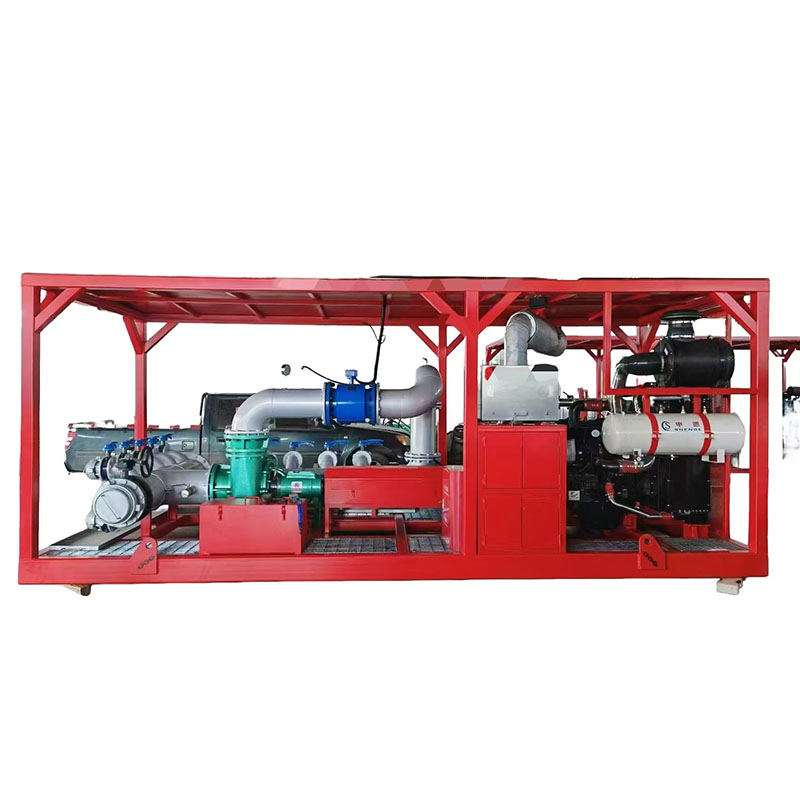
Fracturing pump horsepower on a bid sheet is easy to misread. Nameplate horsepower is input from the engine or motor. Hydraulic horsepower is the product of treating pressure and slurry rate. A unit can show a large engine and still miss the stage if pressure and rate are not specified together.
Fracturing Pump Horsepower Is Not the Engine Nameplate
Crews compare pumps with hydraulic horsepower because a frac stage is a pressure and a rate at the same time. Field practice estimates that figure from treating pressure in psi and slurry rate in barrels per minute. Input horsepower must be higher than that hydraulic figure because of mechanical and fluid-end losses.
Quoting only “2,500 hp” does not say whether the pump holds the pressure at the rate the stage needs. Ask which liner or plunger, which fluid end, and which rate that horsepower assumes.
Why Rate and Pressure Must Be One Spec
Raising rate at the same pressure takes more hydraulic power. Raising pressure at the same rate does too. A pump rated at high pressure on a small plunger may not deliver the slurry rate the design calls for.
Proppant changes the fluid end, not just the horsepower math. Sand and high-viscosity fluid wear valves and seats faster than clean water. A horsepower number taken on a water test does not describe a proppant stage.
- Treating pressure and slurry rate for the stage
- Fluid: slickwater, gel, or proppant concentration
- Plunger or liner size behind the horsepower claim
- Continuous stage length, not a short acceptance test
How Horsepower Fits a Fleet, Not One Pump
A frac spread splits rate across several pumps. One unit’s horsepower is only useful next to the number of units, the spare, and the pressure the iron will actually see.
Leave margin for fluid-end wear during the stage. As valves cut, the same engine speed no longer delivers the rate you wrote on the design.
What JET Needs to Quote a Fracturing Pump
JET fracturing pumps are quoted from pressure, rate, and fluid-end duty—not from an engine badge alone. Share the stage pressure, slurry rate, and whether the fluid carries proppant.
If you are comparing this duty with water injection, say so. Injection holds a lower rate for a long time. Fracturing holds a high rate for a stage. The fluid ends are not interchangeable just because both are high pressure.
FAQ
What does fracturing pump horsepower mean?+
On a bid, confirm whether the number is input horsepower from the drive or hydraulic horsepower from treating pressure and slurry rate. The stage needs the hydraulic figure. The drive must cover losses above it.
Can I size a frac pump from horsepower alone?+
No. Horsepower without pressure, rate, and plunger or liner size can describe a pump that misses the stage. Specify those three with the fluid.
Does proppant change the horsepower I need?+
It changes the fluid end and the wear you must allow. A clean-water horsepower check does not describe sand-laden slurry. State proppant concentration on the RFQ.
How is a fracturing pump different from an injection pump?+
Fracturing delivers a high slurry rate for a stage. Injection holds a lower rate for a long time, usually in cleaner water. Do not swap the fluid ends because the word pressure appears on both.