
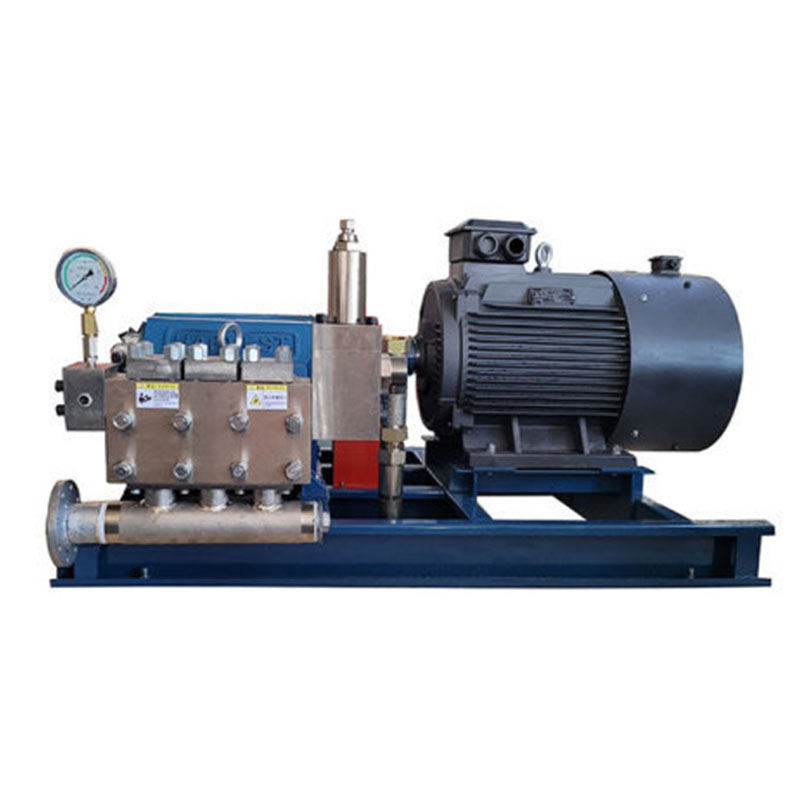
A polymer injection pump meters viscous EOR chemicals into the formation at controlled rate and pressure—where shear damage and rate swings can waste polymer and upset sweep efficiency. Selection starts with polymer type, target viscosity, wellhead pressure, and turndown—not waterflood horsepower alone. This guide covers shear-aware hydraulics, materials, skid packaging, and how polymer injection differs from bulk brine waterflood pumps.
What Does a Polymer Injection Pump Do?
Polymer injection pumps deliver prepared polymer solution into injection wells for enhanced oil recovery or chemical flood programs. Rate accuracy and gentle handling matter: excessive shear in the pump or piping can cut viscosity before the polymer reaches the reservoir.
Programs may run continuous or staged ramps. JET injection pump packages support oilfield dosing when wet ends, packing, and speed control match the polymer data sheet and wellhead pressure.
Polymer Injection vs Waterflood Injection Pumps
Waterflood pumps prioritize long steady brine flow. Polymer injection adds viscosity, shear sensitivity, and often tighter turndown for pilot zones. Valve geometry, stroke speed, and piping velocity limits should follow polymer vendor guidance.
If one skid must cover both brine and polymer campaigns, specify the more demanding fluid and confirm separate flush or cleaning procedures between campaigns.
- Waterflood: cleaner water/brine, long steady duty
- Polymer: viscosity retention, controlled ramp, shear limits
- Document max allowable shear and filter strategy in the RFQ
Rate, Pressure, and Turndown
Reservoir and facilities engineers supply target injection rates and maximum wellhead pressure. The polymer injection pump must hold setpoint across filter differential rise and temperature swings that change viscosity.
Variable speed helps turndown, but lubrication and packing cooling must remain valid at low crank speed. Ask for a performance curve covering the full RPM range you plan to use.
Materials, Seals, and Skid Layout
Polymer packages and additives may need stainless or other alloys compatible with make-up water chemistry. Seal and packing choices should tolerate the polymer and any biocides or oxygen scavengers in the system.
Skid layout should protect suction from air entrainment and provide space for filters, mix quality checks, and hose routing without sharp fittings that add shear.
Specifying a JET Polymer Injection Package
Bring polymer type and concentration, target viscosity, rate and pressure envelope, and skid footprint to your RFQ. Link to the injection pump product page and note whether chemical high-pressure metallurgy is also required for co-injected additives.
Request a quote through the contact page with destination and pilot vs full-field timeline.
FAQ
What is a polymer injection pump?+
A polymer injection pump meters polymer solution into injection wells for EOR or chemical flood at controlled rate and pressure, with attention to shear so viscosity is preserved into the formation.
How is a polymer injection pump different from a waterflood pump?+
Polymer duty adds viscosity and shear sensitivity and often needs finer turndown. Waterflood pumps focus on long steady brine flow; polymer RFQs should include max shear and viscosity targets.
Can a high pressure reactor injection pump handle polymer?+
Sometimes—if materials, seals, and speed control match the polymer data sheet and shear limits. Confirm viscosity and chemistry separately from clean reactor-water service.
Does JET supply polymer injection pumps?+
JET configures injection pump packages for oilfield dosing and flood programs. Share polymer data, rate, pressure, and skid needs when requesting a proposal.