
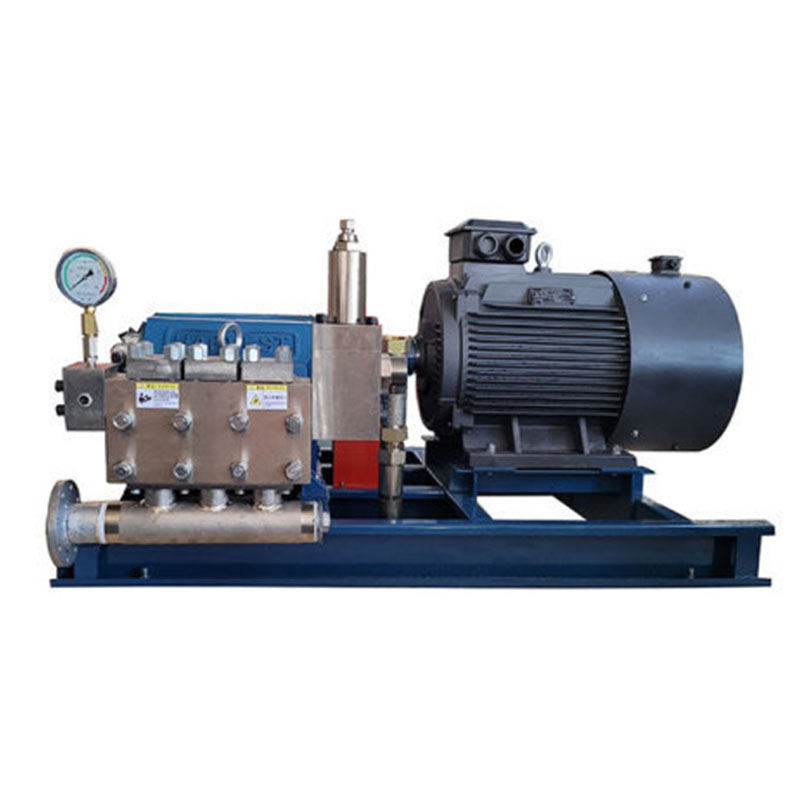
A high pressure reactor injection pump meters process chemicals or treated fluids into a reactor or formation at controlled rate and pressure—where leakage and pulsation can upset yield or damage equipment. Selection starts with fluid chemistry, target pressure, turndown, and whether duty is continuous plant feed or intermittent oilfield dosing. This guide covers materials, seals, controls, and how reactor injection differs from bulk waterflood pumps.
What Does a High Pressure Reactor Injection Pump Do?
High pressure reactor injection pumps feed catalysts, inhibitors, acids, caustics, or treated water into reactors, columns, or wells at setpoints tied to PLC or DCS. Rate accuracy and seal integrity matter as much as maximum pressure—overshoot can trip relief valves or spoil a batch.
Plant reactor feed often runs continuous with fine turndown; oilfield chemical injection may be intermittent with polymer shear sensitivity. JET injection and chemical pump packages address both when wet-end materials match the fluid data sheet.
Reactor Injection vs Waterflood Injection Pumps
Waterflood pumps prioritize long steady brine flow at formation pressure. A high pressure reactor injection pump may see stronger chemistry, tighter metering, and more start–stop cycles. Seal plans, elastomers, and metallurgy must follow the MSDS—not a waterflood spare kit.
If one skid must cover both duties, specify the more aggressive fluid and confirm turndown for the softer duty separately.
- Reactor feed: chemistry, containment, precise rate
- Waterflood: long hours, cleaner water or brine
- Always match seals to temperature and concentration
Materials, Seals, and Containment
Acid and caustic feeds need stainless, duplex, or nickel alloys on wetted parts; solvents may attack elastomers before metal. Double seals or monitored packing are common on toxic reactor chemicals.
Document flush fluid ownership and leak detection early—especially in classified areas. Relief routing must go to a safe destination per plant standard.
Rate Control, Pulsation, and Instrumentation
VFD or stroke control sets injection rate; pulsation dampeners protect reactor nozzles and analyzers. Confirm minimum continuous speed and signal list (rate, pressure, seal pot) with the integrator.
Blocked-outlet and dead-head scenarios must sit inside relief valve design. Batch plants need soft ramps to avoid pressure spikes at valve closure.
Specifying a JET High Pressure Reactor Injection Package
Bring fluid MSDS, design pressure and temperature, rate range, duty cycle, and area classification to your RFQ. Link to the injection pump or chemical high-pressure pump product line as chemistry requires.
Request a quote through the contact page with destination and startup date. Engineering can propose metallurgy, seals, and driver options before tie-in.
FAQ
What is a high pressure reactor injection pump?+
It is a high-pressure metering or transfer pump that injects chemicals or treated fluids into a reactor, process unit, or well at controlled rate and pressure—prioritizing seal integrity, material compatibility, and stable flow rather than bulk circulation alone.
Can an oilfield injection pump be used for reactor feed?+
Only if wet-end materials, seals, and turndown match the process chemical and plant standards. Waterflood-oriented packages are not automatically suitable for aggressive reactor chemistry.
What data do I need to size a reactor injection pump?+
Fluid composition and concentration, operating temperature, design pressure, min/max rate, continuous vs batch duty, and any hazardous area or seal-plan requirements.
Does JET supply high pressure reactor injection pumps?+
JET configures injection and chemical high-pressure pump packages for reactor feed and oilfield dosing. Share fluid data and pressure–rate envelopes when requesting a proposal.