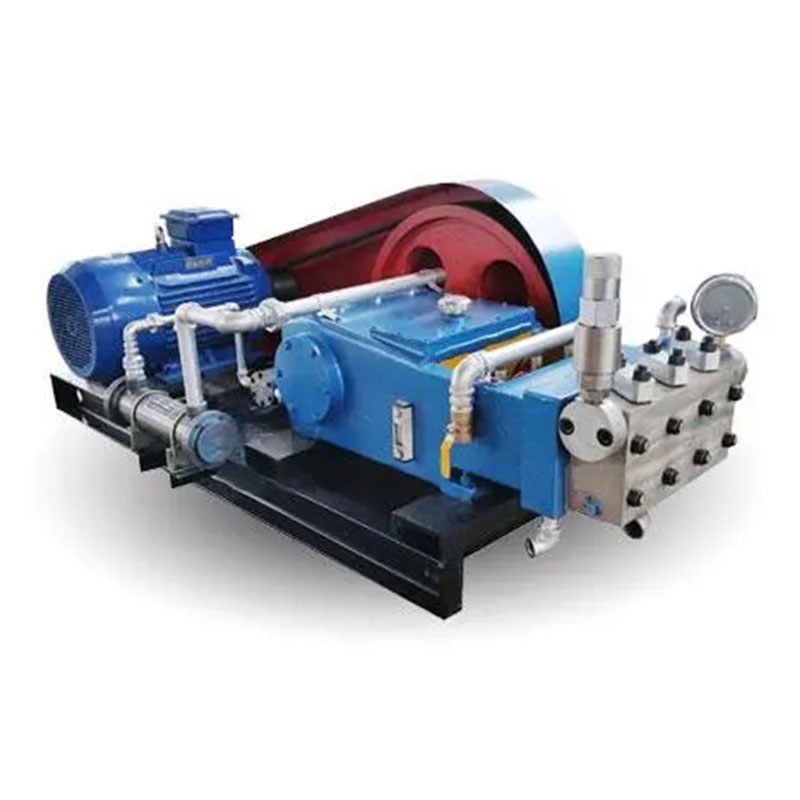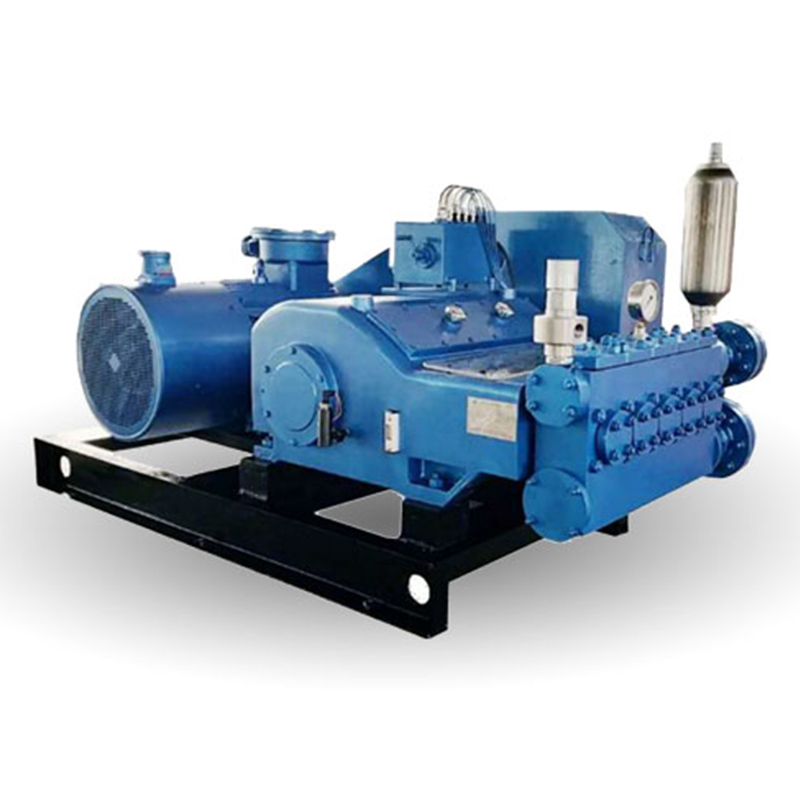





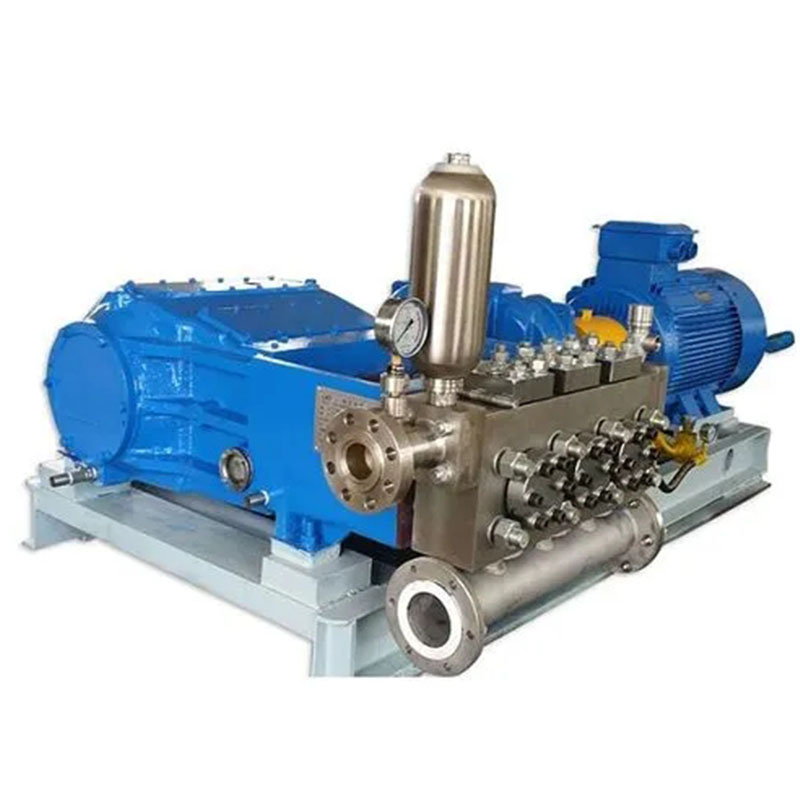
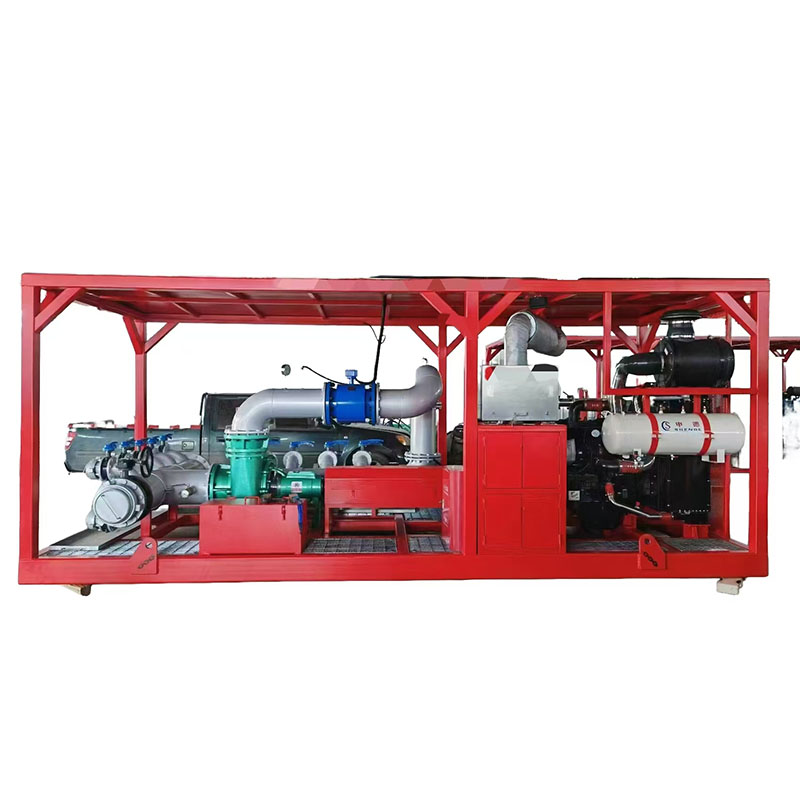
The Purpose of Oilfield Fracturing Pumps
Oilfield fracturing pumps, often called "frac pumps," are the heart of any hydraulic fracturing operation. Their primary purpose is to generate the immense power required to pump fracturing fluid into a wellbore at pressures high enough to fracture underground rock formations . These pumps are one of the most critical pieces of equipment in well stimulation, as they provide the necessary hydraulic horsepower to break down the formation and enable the flow of oil and gas .
The fundamental working principle involves taking low-pressure fluid from a blender—where water, proppants (such as sand), and chemicals are mixed—and then discharging that fluid at extremely high pressures, often reaching up to 20,000 psi, into the wellhead via high-pressure treating lines . This high-pressure fluid is forced from the wellbore into the target formation, creating fissures or cracks in the rock . Once these fractures are created, the pumps continue to operate to transmit the proppant-laden fluid deep into the fractures, depositing sand or ceramic particles that "prop" the cracks open after the pressure is released . This allows oil and gas to flow more freely from the formation into the wellbore.
Most modern fracturing pumps are reciprocating plunger pumps, commonly available as triplex (three-cylinder) or quintuplex (five-cylinder) configurations, designed to withstand the extreme conditions of continuous, high-intensity service . Several pumps are typically used in parallel during a treatment to achieve the desired total flow rate and pressure, ensuring operational reliability . In addition to fracturing, these pumps are versatile and can be used for other high-pressure applications such as acid fracturing, high-pressure fluid pumping, and pressure testing
Related Posts
The Purpose of Oilfield Fracturing Pumps
Feb 24, 2026