




The Silent Giant: The Industrial Pulse of High-Pressure Pumps
Deep within the framework of modern industry, a piece of equipment emits a continuous, low hum. Inconspicuous yet fundamental, it is the invisible backbone of modern engineering—this is the high-pressure pump.
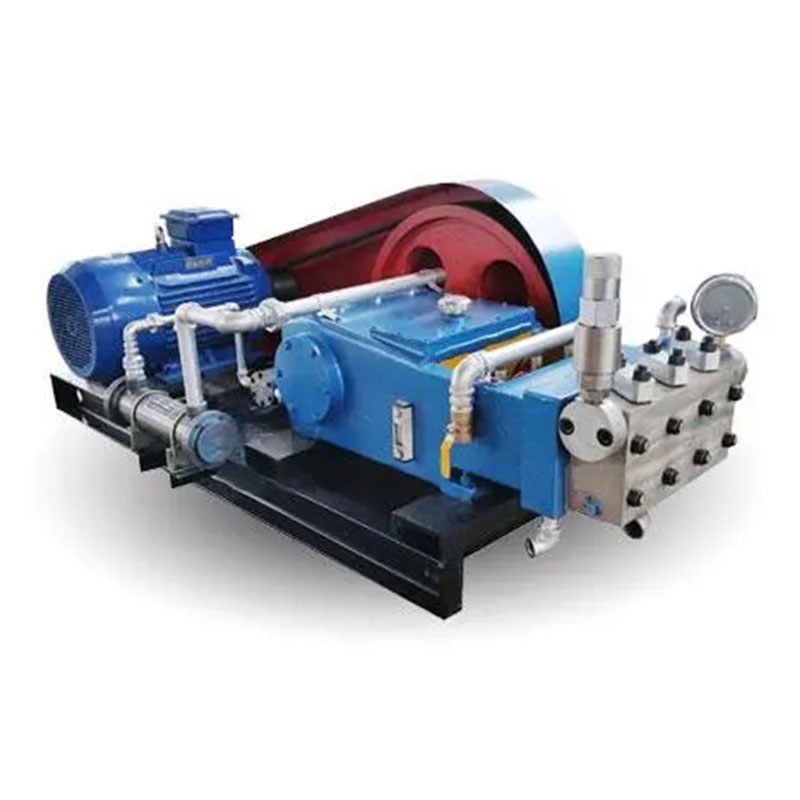
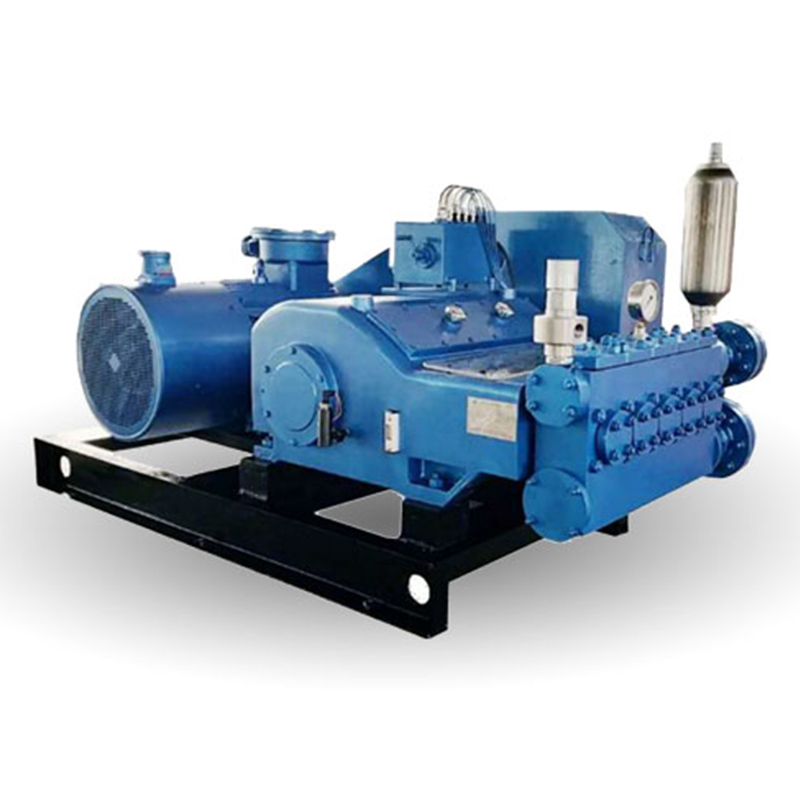
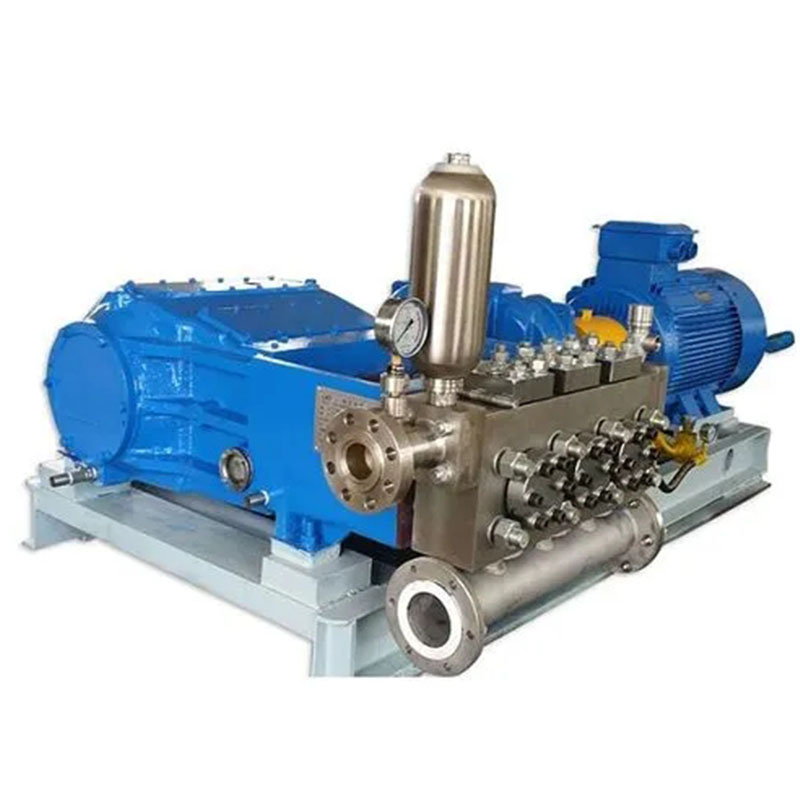
At its core, a high-pressure pump is a device that converts mechanical energy into the pressure energy of a fluid. Its fundamental principle lies in using the reciprocating motion of pistons, plungers, or impellers to compress fluid within a sealed chamber, granting it pressure far exceeding normal environmental conditions. This seemingly simple physical process embodies precision engineering in materials science, fluid dynamics, and automatic control.
Its presence permeates critical sectors: In the petroleum industry, it is the extractor of "blood" from deep within the earth and the power heart for long-distance pipeline transport. In the energy sector, it injects the lifeblood into supercritical power generation units, driving turbines to roar. In manufacturing, high-pressure water jets transform into "soft knives," precisely cutting metals and composite materials. Even in daily life, it reliably supports water supply in tall buildings and the operation of fire protection systems.
From the steady forging pressure of thousand-ton hydraulic presses to the fabrication of nanomaterials at the microscopic level, the high-pressure pump, with its stably delivered immense force, establishes the pressure foundation for modern industry. It is like a powerfully beating heart within the industrial circulatory system, silently propelling productivity toward ever higher, more precise, and stronger dimensions. This force, hidden within pipelines and chambers, stands as a vivid testament to humanity's transformation of fundamental principles into the tremendous power that shapes our world.
Related Posts
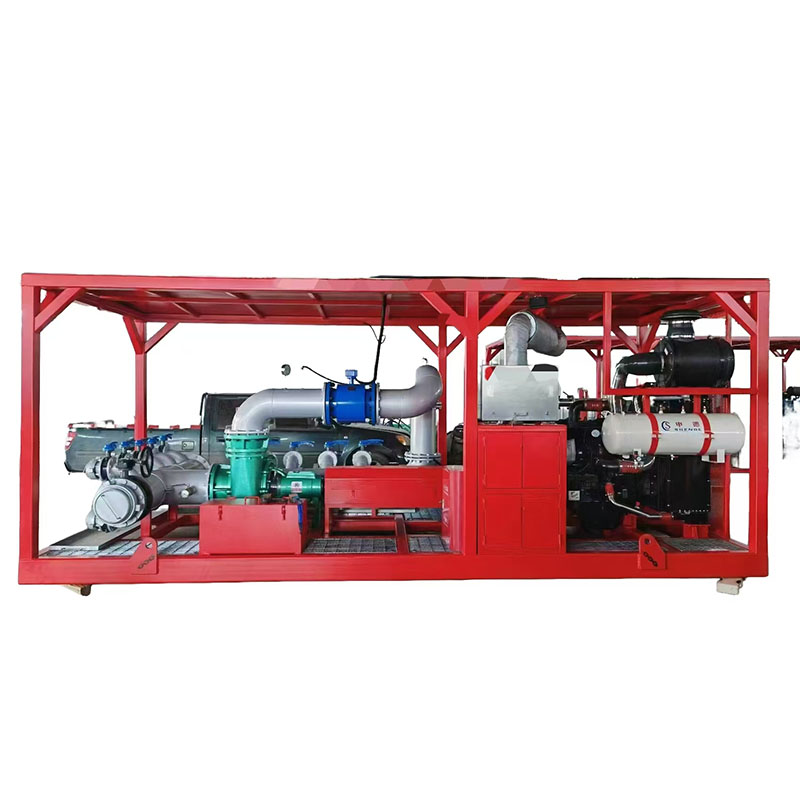
The Purpose of Oilfield Fracturing Pumps
Feb 24, 2026