




A Guide to Types of High-Pressure Pumps: Principles and Applications
High-pressure pumps are essential components in numerous industrial, commercial, and scientific processes. They are designed to generate significant fluid pressure, far exceeding that of standard centrifugal pumps, to perform tasks ranging from cleaning and cutting to injection and testing. Understanding the different types is crucial for selecting the right pump for a specific application. This article categorizes high-pressure pumps based on their operating principles and design.
I. Classification by Operating Principle
The fundamental mechanism of pressure generation is the primary way to classify these pumps.
1. Positive Displacement Pumps
These pumps operate by trapping a fixed volume of fluid and forcing (displacing) it into the high-pressure discharge line. Pressure builds as the flow encounters resistance. They are the most common type for generating very high pressures.
- Key Trait: They provide a nearly constant flow rate regardless of discharge pressure (for a given speed).
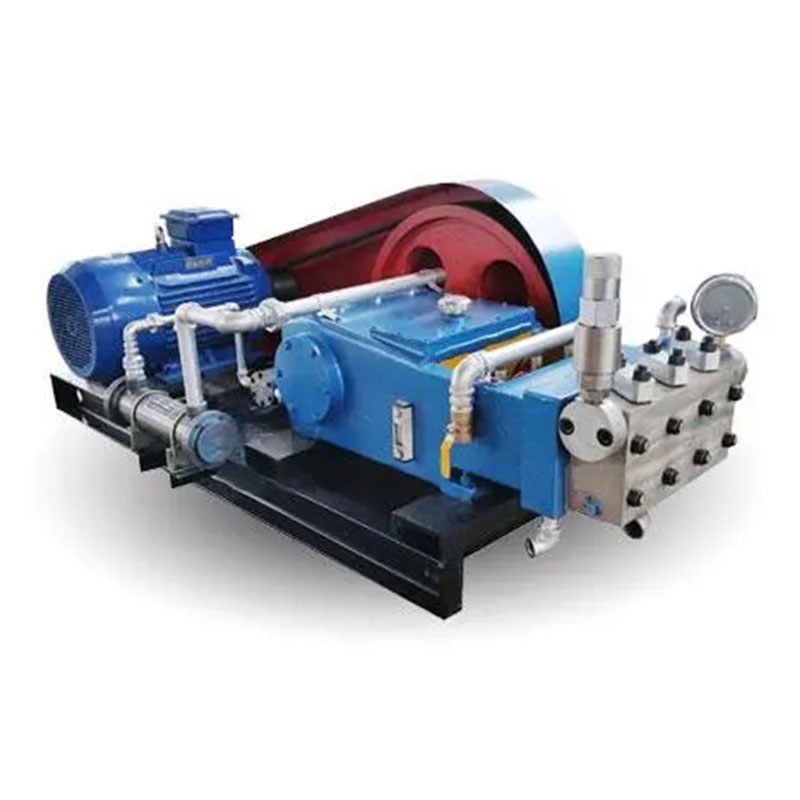
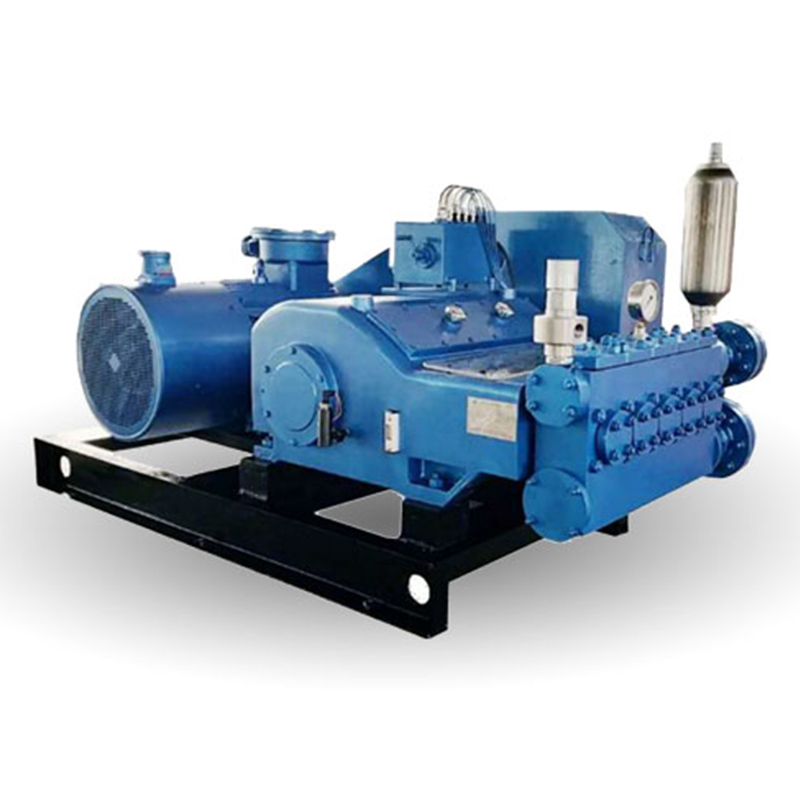
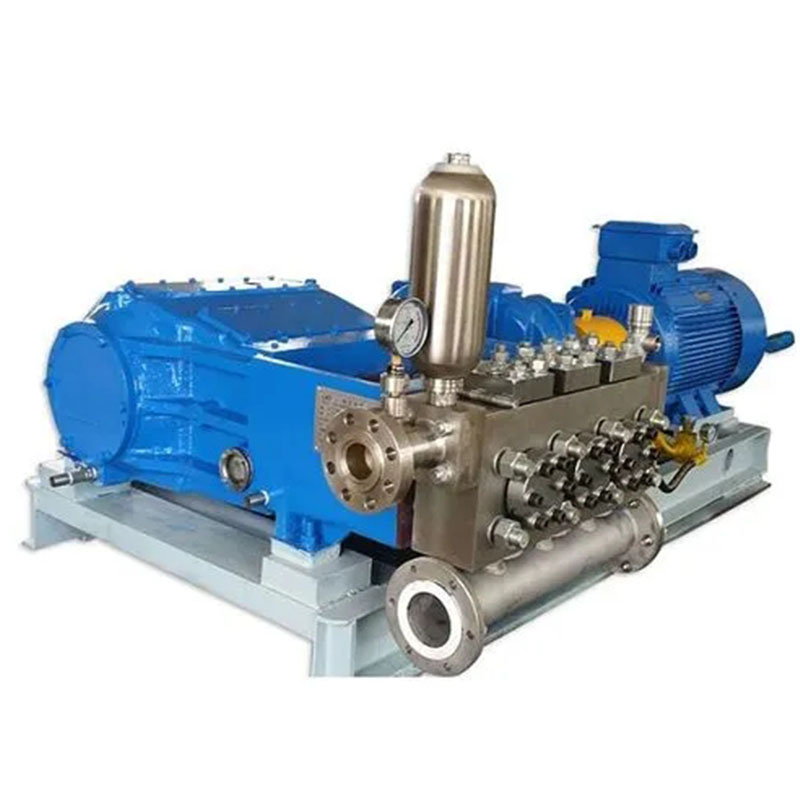
- Main Sub-Types:Reciprocating Pumps: Use a back-and-forth (reciprocating) motion of a piston or plunger within a cylinder.Plunger Pumps (Triplex/Quintuplex): The industry standard for rugged, continuous-duty applications. They use multiple plungers (typically 3 or 5) driven by a crankshaft to create a smoother flow than a single piston. Common in industrial cleaning, waterjet cutting, and reverse osmosis systems.Piston Pumps: Similar but often use a reciprocating piston with dynamic seals. Common in hydraulic power units and some pressure washers.Diaphragm Pumps: Use a reciprocating diaphragm flexed by a piston or air to move the fluid. The fluid is completely isolated from the pump mechanism, making them ideal for pumping hazardous chemicals, abrasive slurries, or sensitive fluids.Rotary Positive Displacement Pumps: Use rotating mechanisms to move fluid.Gear Pumps: Use meshing gears to transport fluid. Effective for generating moderate pressures with viscous fluids like oils or fuels.Screw Pumps: Use intermeshing screws to move fluid axially. Known for very smooth, pulse-free flow, often used for fuel injection and hydraulic oil systems.
2. Kinetic (Dynamic) Pumps
These pumps impart velocity to the fluid, which is then converted to pressure energy. They are typically used for high-flow, lower-to-moderate pressure applications.
- Key Trait: Flow rate is highly dependent on discharge pressure; pressure is created by the resistance to flow.
- Main Sub-Type:Multi-Stage Centrifugal Pumps: The workhorse for high-flow, high-pressure applications where positive displacement is not suitable. They use a series of impellers and diffusers (stages) mounted on a single shaft. Each stage increases the fluid's pressure incrementally. Widely used in boiler feedwater, irrigation, high-pressure shower systems, and reverse osmosis membrane feed.
II. Specialized and Hybrid Types
1. Intensifier Pumps
These are a specialized type of positive displacement pump designed for ultra-high pressures (often exceeding 40,000 psi / 2,750 bar). They use a hydraulic-driven piston with a large area to act on a smaller-area plunger, thereby intensifying the pressure. They are almost exclusively used in industrial waterjet cutting machines.
2. Plunger vs. Piston Pumps
Often confused, the distinction lies in the sealing mechanism:
- Plunger Pump: The plunger is a smooth, solid cylinder that moves through a stationary packing/seal. The plunger cross-section is the area that creates pressure.
- Piston Pump: The piston includes integrated seals that reciprocate against the cylinder wall.
Selection Factors and Typical Applications
Choosing the right type depends on a holistic view of the requirements:
- Pressure & Flow (PSI/Bar & GPM/LPM):Ultra-High Pressure, Low Flow: Intensifier Pumps (Waterjet cutting).High Pressure, Moderate Flow: Plunger Pumps (Cleaning, RO, industrial processes).Moderate Pressure, High/Steady Flow: Multi-Stage Centrifugal Pumps (Plant utilities, irrigation).Handling Chemicals/Slurries: Diaphragm Pumps.
- Fluid Type: Clean water, hot water, oil, chemicals, or abrasive mixtures determine material compatibility (e.g., stainless steel, ceramic plungers, Viton seals).
- Duty Cycle: Continuous 24/7 operation demands a robust plunger or multistage centrifugal pump, while intermittent use may allow for lighter-duty piston pumps.
- Flow Characteristic: Need a smooth, pulse-free flow? Consider a triplex plunger pump (good) or a screw pump (excellent). Diaphragm and single-piston pumps create more pulsation, often requiring a pulsation dampener.
Conclusion
The world of high-pressure pumps is diverse, with each type engineered to excel within specific performance envelopes. From the pulse-free delivery of a screw pump in a hydraulic system to the relentless ultra-high pressure of an intensifier pump cutting through titanium, the correct selection is paramount. By first understanding the core principles of positive displacement versus kinetic pumps, and then evaluating the specific demands of pressure, flow, fluid, and duty cycle, engineers and operators can ensure they deploy the most efficient, reliable, and cost-effective pump for the job.
Related Posts
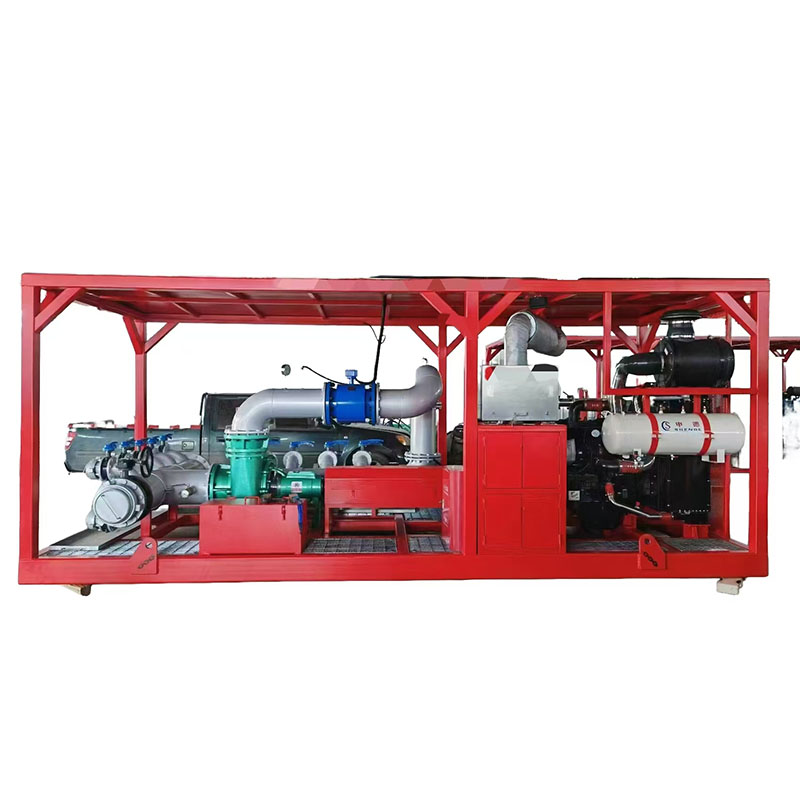
The Purpose of Oilfield Fracturing Pumps
Feb 24, 2026