
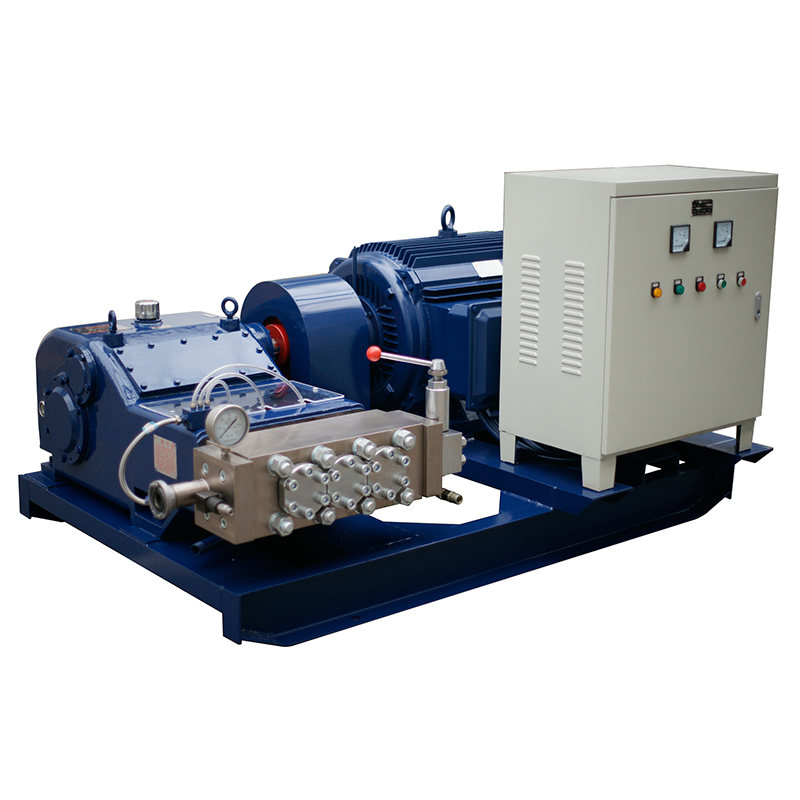
The humble pressure washer, also known as a power washer, has evolved from a specialized industrial tool into a ubiquitous piece of equipment essential for efficiency, hygiene, and restoration across countless sectors. By combining high-pressure water jets with potential additives like detergents or sanitizers, it provides a cleaning force unmatched by traditional methods. Its applications span from mundane household chores to critical industrial processes.
1. Automotive and TransportationThis is one of the most common domains. From professional car washes and detailing shops to fleet management centers and railway depots, pressure washers are indispensable. They efficiently remove caked-on mud, road salt, grease, and grime from cars, trucks, buses, trains, and even airplanes. Hot-water high-pressure washers are particularly effective at cutting through oily residues on engine blocks and undercarriages, aiding in maintenance and inspections.
2. Agriculture and FarmingMaintaining equipment and facilities is crucial in agriculture. Pressure washers are used to clean tractors, combines, milking parlors, stables, barns, and animal pens. This not only prolongs equipment life but also promotes animal health and ensures hygienic conditions for food production, helping to control pests and prevent disease.
3. Construction and ManufacturingOn construction sites, pressure washers clean heavy machinery like excavators and cement mixers, preparing tools for the next job. In manufacturing plants, they degrease machine parts, clean factory floors of industrial residues, and prepare surfaces for painting or coating. They are vital for routine maintenance and preventing product contamination.
4. Food Processing and HospitalityHygiene is paramount here. High-temperature pressure washers with sanitizing functions are used to clean processing equipment, conveyor belts, storage tanks, and kitchen environments (including exhaust hoods and floors). They help meet stringent health and safety standards by eliminating bacteria, grease, and organic matter.
5. Property Maintenance and Facilities ManagementThis broad category includes cleaning building exteriors (brick, concrete, vinyl siding), sidewalks, driveways, patios, decks, parking lots, and swimming pools. They remove algae, mildew, graffiti, chewing gum, and atmospheric pollution. Facility managers use them for stadiums, schools, hospitals, and shopping centers to maintain cleanliness and aesthetic appeal.
6. Municipal and Public ServicesMunicipalities employ large-scale pressure washers for street cleaning (removing gum, stains), maintaining public sanitation, cleaning garbage trucks, and restoring public monuments and bridges. They are also crucial in disaster cleanup for washing away mud and debris after floods.
7. Residential UseFor homeowners, pressure washers are perfect for seasonal cleaning tasks: washing cars, siding, fences, garden furniture, driveways, and preparing wooden decks for refinishing. They save significant time and effort compared to manual scrubbing.
Specialized Applications:
Key Considerations:Choosing the right pressure washer involves matching pressure (PSI/bar), flow rate (GPM/LPM), water temperature (cold, hot, or steam), and optional chemical injectors to the specific task. Proper training is essential, as incorrect use can damage surfaces or cause serious injury.
In conclusion, the pressure washer is a cornerstone of modern cleaning technology. Its versatility, power, and efficiency make it an irreplaceable asset across diverse fields, driving productivity, upholding hygiene, and preserving infrastructure. From keeping our cities presentable to ensuring the safety of our food supply, the high-pressure jet of water continues to prove its immense value.