
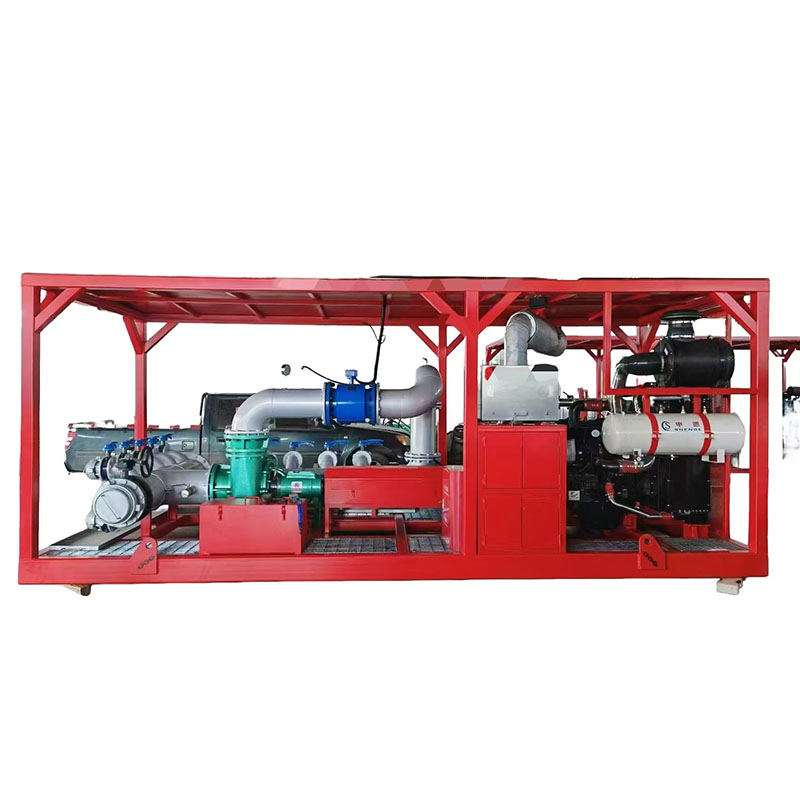
Cementing pumps and fracturing pumps are both oilfield high-pressure units, but cementing places slurry density and placement control first, while fracturing emphasizes rate, pressure, and often proppant-laden fluid ends. Mixing the two on one RFQ wastes bid cycles. This guide separates cementing pump vs fracturing pump duties and shows what to send JET.
What a Cementing Pump Is Optimized For
Cementing pumps place cement slurry to isolate zones and support casing. Density control, mixing, and controlled placement matter as much as peak pressure.
Fluid ends see abrasive cement slurry, but the program is usually intermittent placement rather than hours of high-rate proppant fracturing.
What a Fracturing Pump Is Optimized For
Fracturing pumps deliver high rate at high pressure for hydraulic stimulation. Proppant-laden slurry and intensive fluid-end wear define many land frac spreads.
Horsepower, rate, and pressure charts dominate the RFQ—along with fluid-end life expectations under sand.
How to Choose on the RFQ
Write cementing or fracturing in the first line. Then list fluid (cement slurry vs frac fluid/proppant), max pressure, rate, and duty cycle.
- Cementing: slurry density, volume, placement pressure
- Fracturing: rate, pressure, proppant loading, stage length
- Drive: diesel, electric, or trailer/skid packaging
- Fluid-end interchange and spare strategy
JET Oilfield High-Pressure Options
JET supplies fracturing pump packages and related high-pressure plunger platforms. State cementing versus frac duty so engineering does not propose a proppant fluid end for neat cement—or the reverse.
Share basin standards and trailer versus skid preference with the pressure–rate envelope.
FAQ
Is a cementing pump the same as a fracturing pump?+
No. Cementing prioritizes slurry placement and density control; fracturing prioritizes high rate and pressure, often with proppant. Spec the duty explicitly.
Can one pump do both cementing and fracturing?+
Some fleets dual-purpose frames, but fluid ends, packing, and wear parts must be validated for each fluid. Do not assume interchange without engineering review.
What matters most on a fracturing pump RFQ?+
Rate, pressure, proppant loading, duty cycle, and fluid-end life expectations—plus drive and packaging.
What should I send JET?+
Cementing or fracturing, fluid description, max pressure and rate, and skid/trailer constraints.