
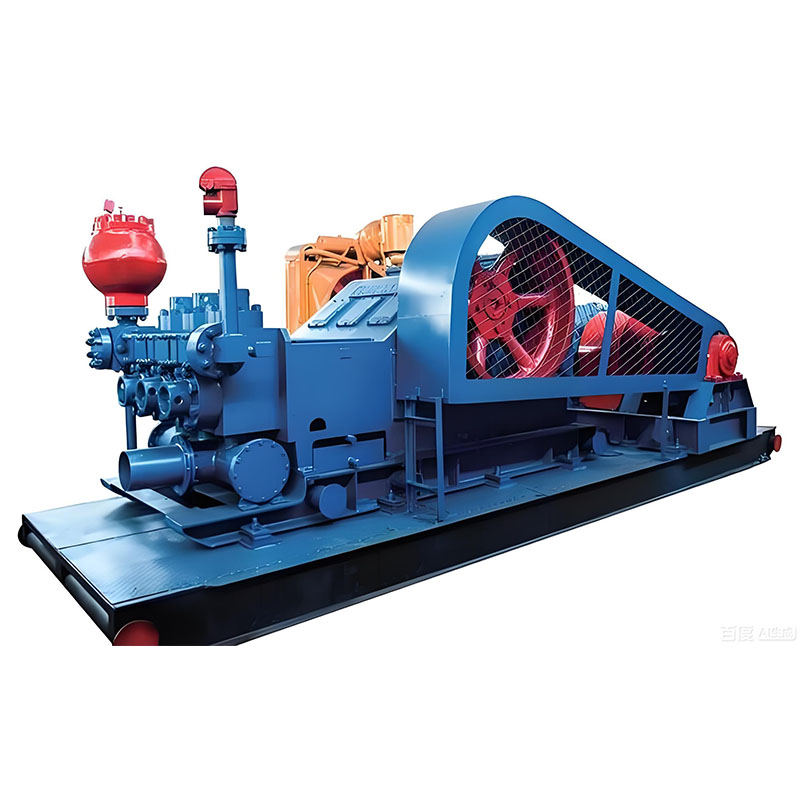
Standpipe pressure is the continuous discharge pressure mud pumps for drilling rigs must hold while circulating weighted mud. Buyers searching mud pump oil and gas packages often list horsepower first and discover later that liner size, mud weight, and flow set the real pressure window. This guide explains how to write standpipe pressure into an RFQ and how JET sizes triplex packages and mud pump skids around it.
What Standpipe Pressure Means on a Mud Pump RFQ
Standpipe pressure is the pressure at the standpipe while mud circulates through hose, swivel, and drill string. The mud pump must deliver required flow at that pressure for the planned mud weight—not only a peak test pressure.
Triplex mud pumps change pressure–flow capability when liner (bore) size changes. State both target flow and maximum standpipe pressure at expected mud density.
Inputs That Set the Pressure Window
Hole size, depth, mud weight, and desired annular velocity drive flow. Friction in the string and surface iron drive pressure. Ignoring mud weight understates required pressure at the same flow.
- Target circulation rate (gpm or L/min)
- Maximum standpipe pressure at planned mud weight
- Preferred liner sizes / fluid-end interchange
- Diesel or electric drive and mud pump skid limits
Skid and Rig Layout Still Matter
Even with correct pressure and flow, the mud pump skid must fit pad or deck space and leave liner and valve access clear. Offshore and compact land layouts often fix frame size before horsepower.
Share lift plan and whether single or dual mud pump skids are required.
Requesting a JET Mud Pump Quote
JET builds mud pump oil and gas packages with configurable pressure, flow, and OEM-compatible fluid ends. Lead with standpipe pressure and mud weight—not nameplate HP alone.
Attach liner preference and skid constraints so engineering proposes a matching circulation package.
FAQ
What is mud pump standpipe pressure?+
It is the continuous discharge pressure required at the standpipe while circulating drilling mud at the planned flow and mud weight on drilling rigs.
Why isn’t horsepower enough on the RFQ?+
Horsepower does not define liner size, mud weight, or the pressure–flow point. Specifying standpipe pressure and flow at mud density prevents wrong-frame quotes.
Do liner sizes change standpipe capability?+
Yes. Smaller liners typically raise pressure capability at lower flow; larger liners favor flow. Confirm against your circulation plan.
What should I send JET?+
Target flow, max standpipe pressure, mud weight, liner preference, drive type, and mud pump skid footprint.