
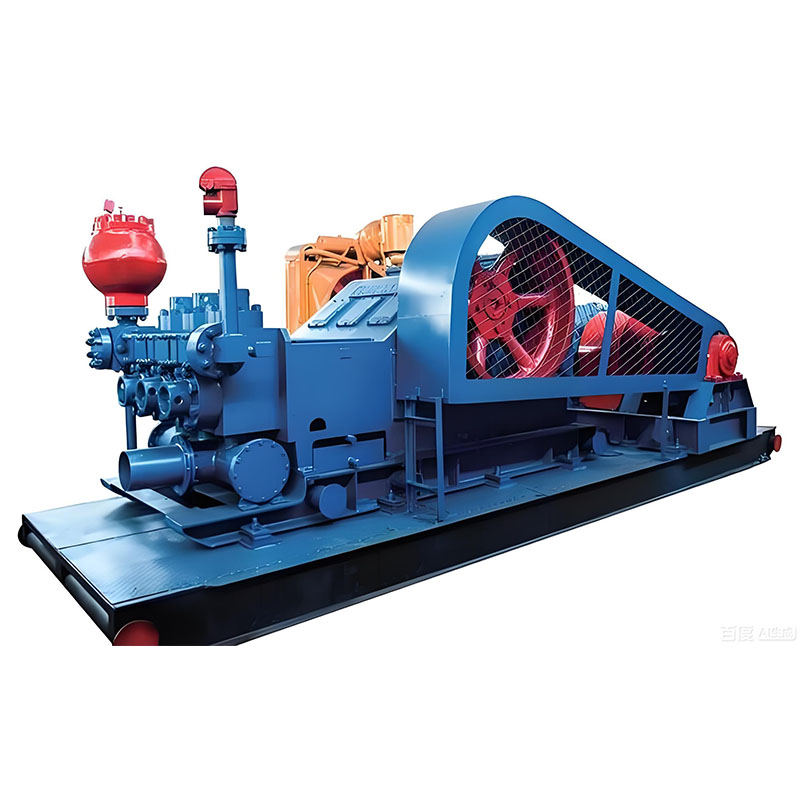
An API-oriented mud pump program succeeds when power ends, fluid ends, and consumables interchange cleanly with the fleet you already run—often F-series or similar oilfield standards. Buyers searching mud pump oil and gas packages need clarity on what “compatible” means: liner sizes, valve pots, stroke, and mounting—not a logo alone. This guide explains how to write interchange requirements into an RFQ and how JET OEM mud pumps for drilling rigs approach fluid-end options and mud pump skid packaging.
Why Fluid End Interchange Matters on Oilfield Mud Pumps
Drilling contractors stock liners, pistons, valves, and seats for the frames they already own. A new mud pump that forces a unique consumable ecosystem raises inventory cost and downtime risk. Stating F-series or equivalent fluid-end interchange on the RFQ keeps spare strategy intact.
Interchange is dimensional and interface-based—confirm liner bore options, valve pot geometry, and fastener patterns with engineering drawings, not marketing adjectives.
What “API-Oriented” Should Mean on an RFQ
Buyers often write “API mud pump” to signal oilfield drilling duty, documentation expectations, and familiar fluid-end families. Be specific: list the frame class you run, required liner sizes, maximum discharge pressure, and whether the unit must bolt to an existing mud pump skid pattern.
Ask for material certificates, hydro test records, and paint or lifting docs needed for your basin or offshore standard—generic “API” wording alone is easy to misinterpret.
- Target frame / fluid-end family (e.g. F-series class)
- Liner sizes and pressure rating at mud weight
- Power end input: diesel, electric, or both
- Skid footprint and lift plan
Skid, Drive, and Rig Integration
Even with interchangeable fluid ends, the mud pump skid must fit pad or deck space, drip containment, and alignment for the chosen prime mover. Offshore and compact land layouts often fix frame size before horsepower.
Mud pumps for drilling rigs should leave valve cover and liner access clear for field service—skid packaging that blocks covers creates chronic maintenance delays.
JET OEM Mud Pump Oil and Gas Packages
JET builds mud pump oil and gas packages with configurable pressure, flow, and OEM-compatible fluid-end options aimed at major drilling platforms and F-series / 3NB-class interchange programs. Share your fleet standard early.
Request a quote with frame preference, liner sizes, standpipe pressure, and skid constraints so engineering proposes a matching package—not a one-size brochure unit.
FAQ
What does F-series mud pump interchange mean?+
It means fluid-end parts and interfaces are intended to match common oilfield F-series dimensional patterns so liners, valves, and related consumables can follow your existing inventory strategy—confirm with drawings.
Is every mud pump “API” the same?+
No. Write the duty, documentation, and fluid-end family you need. “API” alone does not define liner size, pressure, or skid layout.
Do I need a new skid for an interchangeable fluid end?+
Not always—but power end, skid, and drive must still match. State whether the pump mounts on an existing mud pump skid or needs a new package.
Can JET match F-series class fluid ends?+
JET offers OEM-compatible fluid-end options for common oilfield interchange programs. Share your frame class and liner list when requesting a proposal.