
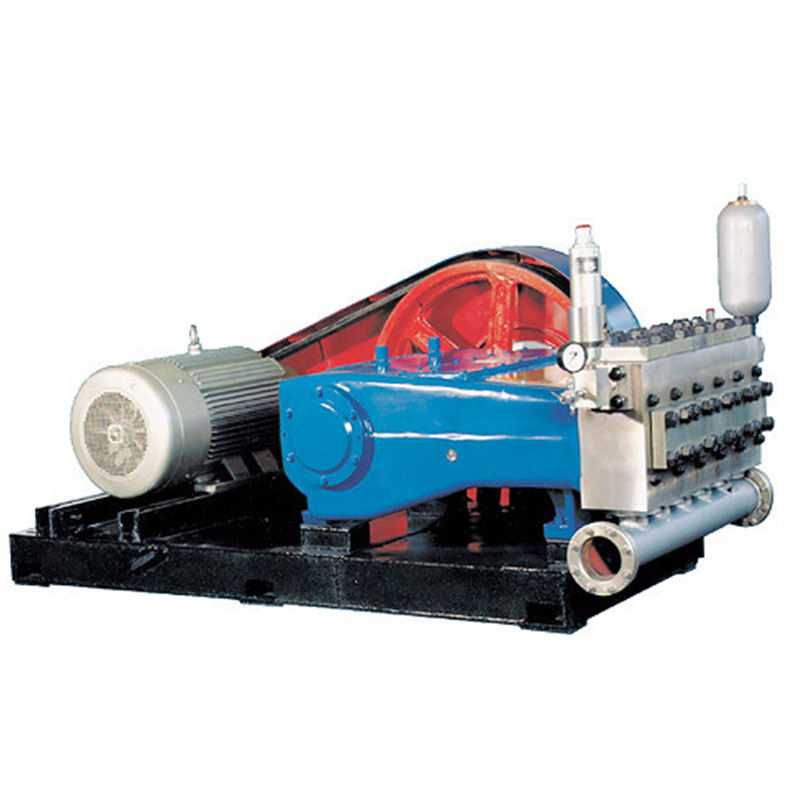
A hydrostatic test pump raises and holds pressure with water or approved test fluid to prove pipelines, vessels, and well equipment against design limits. Selection is not the same as mud circulation or chemical transfer: you need controllable ramp rates, hold stability, and relief philosophy that protect people and assets. This guide covers pressure–flow matching, fluid choice, recording, and how JET high-pressure plunger packages fit hydrostatic test duty.
What Does a Hydrostatic Test Pump Do?
Hydrostatic testing fills the system with nearly incompressible fluid and raises pressure to a specified multiple of design or operating pressure, then holds while inspectors check for leaks and deformation. The hydrostatic test pump must deliver enough flow for fill and pressurization without overshoot that trips relief devices.
Unlike continuous process pumps, many test pumps run intermittent high-pressure cycles with careful operator control and calibrated gauges or data loggers.
Pressure, Flow, and Hold Requirements
Start from the test procedure: maximum test pressure, hold time, allowable drop, and fill volume. Flow must fill large pipelines in acceptable time, then drop to a fine control band for the hold. Oversize maximum pressure without control valves or VFDs makes smooth ramps difficult.
Confirm whether the hydrostatic test pump is trailer-mounted for field spreads or skid-mounted for yard and shop testing.
- Maximum test pressure and safety factor
- Fill volume and desired fill time
- Hold duration and leak-rate acceptance
- Power source: diesel, electric, or PTO
Fluid, Relief, and Safety Practices
Use the fluid specified by the procedure—usually clean water; some duties require corrosion inhibitor or freeze protection. Never substitute compressible gases for hydrostatic proof tests unless the procedure explicitly allows pneumatic testing with different hazards.
Relief valves, dump valves, whip checks, and exclusion zones are part of the package. Train operators on controlled depressurization after the hold.
Hydrostatic Test Pumps vs Injection or Mud Pumps
Mud pumps circulate abrasive slurry; injection pumps hold long steady reservoir rates. A hydrostatic test pump prioritizes controllable pressurization and hold accuracy for finite test windows. Fluid ends and packing should suit clean water or approved test fluid—not drilling mud.
If you already own a high-pressure plunger frame, engineering can sometimes adapt it for test duty with the right valves and instrumentation—confirm case by case.
Requesting a JET Hydrostatic Test Pump Quote
Share maximum pressure, fill volume, hold criteria, site power, and whether you need a mobile or fixed skid. Link to the high-pressure plunger pump series for core OEM frames.
Include destination and documentation needs so the proposal matches yard, pipeline, or offshore test rules.
FAQ
What is a hydrostatic test pump used for?+
It pressurizes pipelines, vessels, and equipment with liquid to verify integrity at a specified test pressure and hold time—distinct from continuous mud or chemical process duty.
How do I size flow for a hydrostatic test pump?+
Size fill flow from volume and allowed fill time, then ensure fine control for the pressure ramp and hold. Procedures and acceptance leak rates drive the control band.
Can I use a mud pump for hydrostatic testing?+
Generally no for abrasive mud service frames—test duty needs clean fluid, controllable ramps, and appropriate relief. Use a dedicated hydrostatic test pump or a validated plunger package.
Does JET supply hydrostatic test pump packages?+
JET high-pressure plunger platforms can be configured for pressure-testing programs. Provide max pressure, volume, and site power when requesting a quote.