
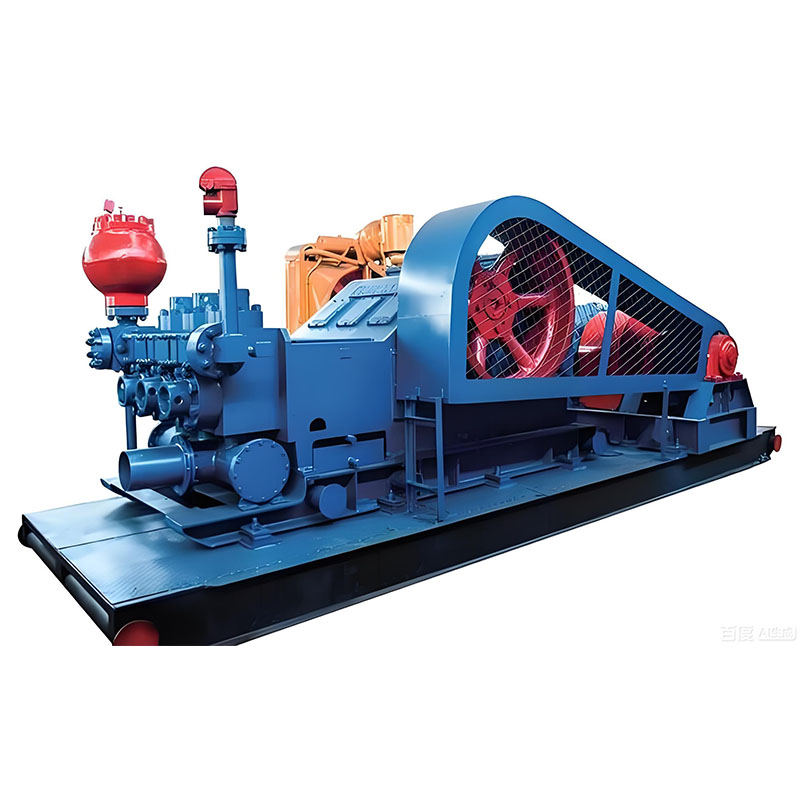
A triplex vs duplex mud pump choice shapes pulsation, parts count, and how mud pumps for drilling rigs hold standpipe pressure on continuous circulation. Most modern land and pad programs standardize on triplex positive-displacement mud pumps; duplex designs still appear in some industrial slurry and legacy fleets. This guide compares architecture, maintenance, and when each fits a mud pump oil and gas RFQ—then how to spec a JET package.
How Triplex and Duplex Mud Pumps Differ
A duplex mud pump uses two double-acting cylinders; a triplex mud pump uses three single-acting pistons or plungers phased 120° apart. The triplex layout smooths discharge flow and is the default for continuous drilling circulation on oilfield mud pumps.
Duplex units can move large volumes in some slurry duties but typically produce higher pulsation and different liner and valve maintenance patterns. Match architecture to duty—not nostalgia for an old rig inventory alone.
Why Triplex Dominates Mud Pumps for Drilling Rigs
Drilling needs stable standpipe pressure while cooling the bit and lifting cuttings. Triplex mud pumps deliver steadier flow with fewer pressure spikes that stress hose, swivel, and BOP-adjacent piping. Fluid-end parts are widely stocked for common frame sizes.
When specifying mud pumps for drilling rigs, confirm stroke rate limits, liner size options, and whether the power end matches diesel or electric drive on your mud pump skid.
- Target flow and standpipe pressure at mud weight
- Liner and valve inventory strategy
- Pulsation dampener and discharge piping plan
When a Duplex Mud Pump Still Makes Sense
Some mining and industrial slurry transfers keep duplex pumps where crews already stock parts and duty is intermittent. Retrofit programs may retain duplex frames until a planned upgrade to triplex circulation packages.
For new oil and gas drilling RFQs, default to triplex unless the end user mandates duplex interchange with an existing fleet.
Specifying a JET Triplex Mud Pump Package
JET mud pump series targets triplex circulation for land and abrasive duty with configurable fluid ends and mud pump skid packaging. Share flow, pressure, mud properties, and drive preference when requesting a quote.
Cross-link to mud pump selection and drilling-rig guides so engineering and procurement align on the same datasheet.
FAQ
Is a triplex mud pump better than duplex for drilling?+
For continuous oil and gas drilling circulation, triplex mud pumps are usually preferred for smoother flow and common fluid-end parts. Duplex may remain in some slurry or legacy fleets.
Do mud pumps for drilling rigs have to be triplex?+
Most modern drilling programs specify triplex. Confirm with the operator if fleet standards require a specific frame family or fluid-end interchange.
Does pulsation differ between triplex and duplex?+
Yes. Triplex phasing generally reduces discharge pulsation versus duplex, which helps protect standpipe and hose components when dampeners are correctly sized.
Can JET supply triplex mud pump skids?+
Yes. JET builds triplex mud pump oil and gas packages with skid options—provide flow, pressure, and deck constraints for a proposal.