
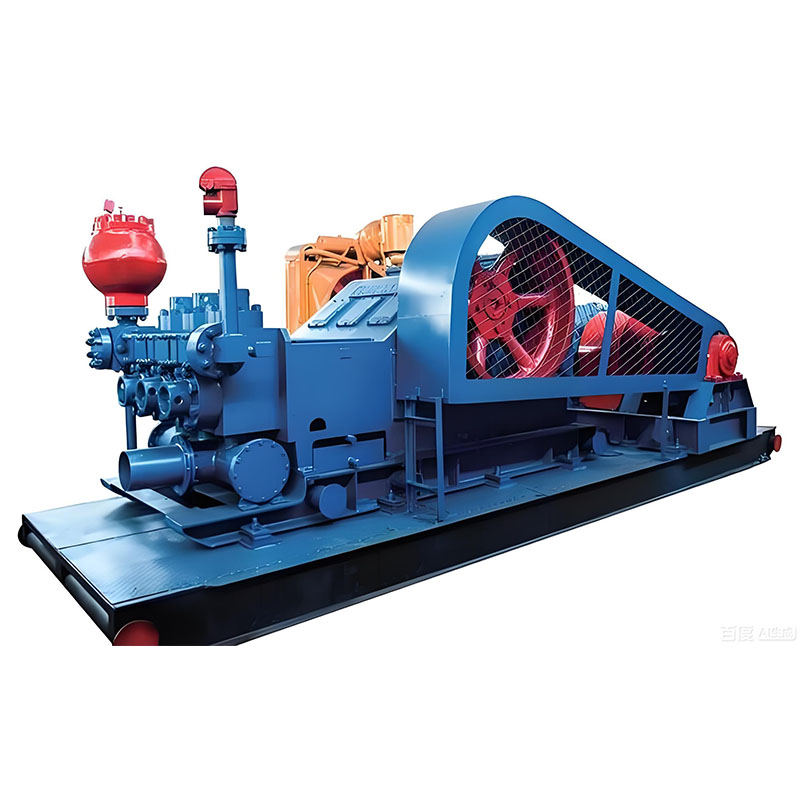
The mud pumps market spans oil and gas drilling, mining, tunneling, and industrial slurry transfer—buyers rarely purchase on brand name alone. Specs, skid packaging, fluid-end interchange, lead time, and aftermarket parts decide who wins the RFQ. This guide explains how procurement and drilling engineers compare mud pump oil and gas packages without relying on vague market-size claims—and what to put on a datasheet when requesting a JET OEM quote.
Who Buys in the Mud Pumps Market?
Typical buyers include land and offshore drilling contractors, mining and TBM slurry programs, and industrial plants moving abrasive solids at pressure. Each segment weights different criteria: contractors emphasize uptime and fluid-end parts; mines emphasize abrasion life; OEMs integrating skids emphasize footprint and drive options.
In every segment, the commercial conversation still starts with flow, standpipe or discharge pressure, mud weight or slurry density, and whether the unit mounts as a mud pump skid.
What Buyers Compare Across Mud Pump Suppliers
Beyond catalog horsepower, serious RFQs compare power-end and fluid-end design, liner and valve life expectations, diesel versus electric drive, and whether fluid ends match common F-series or 3NB-class interfaces. Aftermarket lead time for liners, pistons, and valves often decides total cost of ownership more than the first-cost quote.
Export buyers also check documentation language, paint and lifting certification, and whether the OEM can ship a complete mud pump skid with drip pan and alignment for pad or deck install.
- Flow and pressure at the planned mud or slurry density
- Fluid-end interchange and spare-parts lead time
- Skid size, lift points, and prime-mover preference
- Warranty terms and field service reach
Mistakes That Waste Time in Mud Pump RFQs
Requesting only “a mud pump” without flow, pressure, and solids loading invites mismatched quotes. Treating mud pumper slang as a model number creates the same problem—specify frame, fluid end, and skid separately.
Comparing units only on maximum pressure while ignoring continuous duty and NPSH at the planned mud weight also leads to field failures. Share the circulation plan early.
How JET Positions Mud Pump OEM Packages
JET manufactures mud pump oil and gas packages for land, pad, and abrasive industrial duty—configurable pressure, flow, and mud pump skid layout. The goal is a package that matches your circulation plan, not a generic brochure frame.
Open the mud pump series product page and selection guides, then request a quote with target flow, standpipe pressure, mud properties, and deck or pad constraints.
FAQ
What is the mud pumps market focused on?+
Buyers in the mud pumps market primarily need positive-displacement units that circulate abrasive drilling mud or slurry at high pressure—across oilfield, mining, and industrial programs—with clear skid and aftermarket support.
How should I compare mud pump suppliers?+
Compare flow and pressure at your mud density, fluid-end interchange, spare parts lead time, drive options, and skid packaging—not brand slogans alone.
Do I need a mud pump skid for every purchase?+
Most land and pad programs use a mud pump skid for alignment, drip containment, and lift points. Offshore and compact decks may need custom frames—state deck limits on the RFQ.
Can JET quote for export mud pump packages?+
Yes. Share destination, voltage or diesel preference, and documentation needs with flow and pressure so engineering can propose a complete OEM package.