
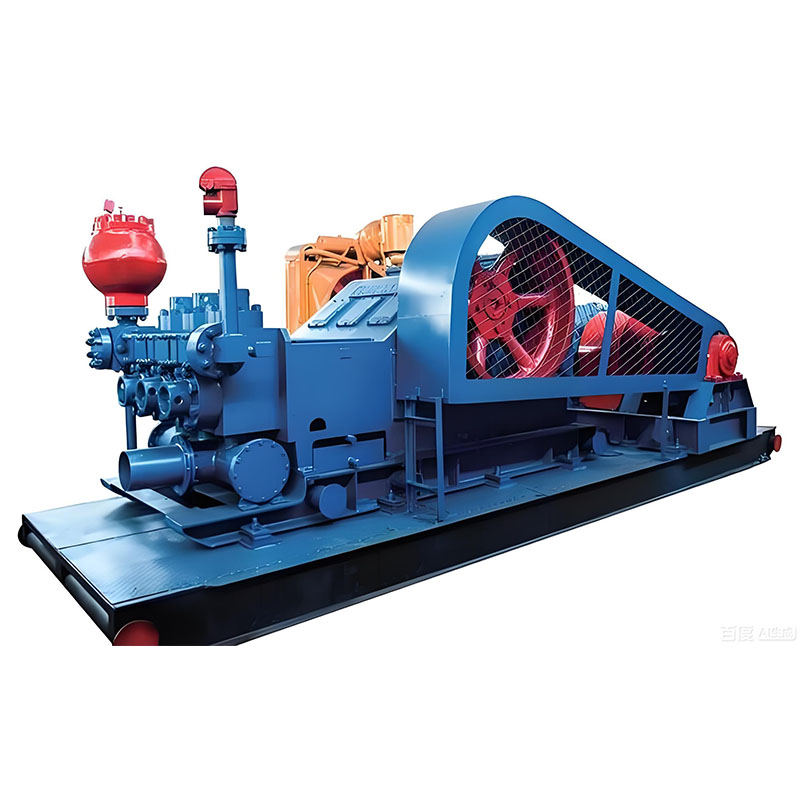
An oilfield mud pump circulates drilling fluid to cool the bit, lift cuttings, and stabilize the wellbore under solids-laden, high-pressure duty—not a clean-water transfer pump with a higher nameplate. Oilfield mud pump selection starts with circulation rate, standpipe pressure, mud weight, and abrasive loading from the drilling program. This guide covers triplex duty, fluid end wear, what buyers weigh in the mud pumps market, and what procurement should put on the RFQ.
What Makes an Oilfield Mud Pump Different?
Oilfield mud pumps see weeks of abrasive slurry, pressure swings, and long tours. Valves, liners, and packing wear faster than on clean injection water. The pump must hold flow at bit when gel breaks and solids spike—not only pass a factory water test.
Land and offshore oilfield mud pumps prioritize power density, fluid-end interchange, and skid packaging for pad moves. JET mud pump series targets oil and gas drilling where solids control and standpipe stability decide rate of penetration.
What Buyers Look for in the Mud Pumps Market
Searches for mud pumps market usually reflect procurement research—not a request for published market-size charts. Buyers compare OEM new builds, aftermarket rebuilds, and fleet-standard F-series / 3NB-class interchange programs against lead time and spare-kit logistics.
Decision criteria that move RFQs: continuous pressure–flow at expected mud weight, mud pump skid packaging, liner and valve kit availability, documented interchange, and landed cost to the pad. Nameplate horsepower without a circulation plan rarely wins a technical bid.
- Continuous duty curve at your mud weight and sand loading
- Mud pump skid layout, lift points, and dual-skid options
- Wet-end kit lead time for remote pads
- OEM vs rebuild total cost of ownership over one drilling season
Triplex Specs Oilfield Buyers Should Confirm
Most new oilfield programs specify triplex frames. Confirm stroke, liner size range, maximum working pressure, and continuous horsepower at your altitude—not brochure peaks. Ask for performance at expected mud viscosity and sand loading.
OEM-compatible fluid ends simplify spare valves and liners across a fleet. Document F-series or 3NB-class interchange needs in the RFQ if your warehouse already stocks those kits.
- Flow at bit and maximum standpipe pressure from hydraulics
- Mud weight, sand content, and oil-based vs water-based program
- Prime mover: diesel derate or electric VFD limits
Wear Parts and Uptime on Oilfield Pads
Liner and valve life track strokes and abrasives. Remote pads need a spare fluid-end kit strategy—often one kit per two pumps in hard formations. Rising standpipe pressure at constant strokes is a practical trigger to inspect liners.
Pulsation dampener charge and suction stability protect surface iron and valves. Cavitation from low hopper level or gas-cut mud destroys seats faster than calendar maintenance predicts.
Oilfield Mud Pump vs Fracturing Pump
Mud pumps circulate drilling fluid in a closed loop for days. Fracturing pumps deliver proppant slurry in intense stages. Do not size an oilfield mud pump from frac horsepower tables or vice versa—fluid ends and duty cycles differ.
If your spread mixes drilling and stimulation assets, keep wet-end kits and spare strategies separate by service line.
Specifying a JET Oilfield Mud Pump
Bring circulation rate, standpipe pressure, mud properties, drive preference, and skid constraints to your RFQ. Link to the mud pump series product page and note destination port.
Request a quote through the contact page with duty hours per day. Engineering can propose frame size, lubrication, and fluid-end materials before rig-up.
FAQ
What is an oilfield mud pump?+
An oilfield mud pump is a high-pressure reciprocating pump—usually triplex—that circulates drilling fluid on oil and gas wells to cool the bit, remove cuttings, and help control wellbore pressure under abrasive, solids-laden conditions.
What do buyers evaluate in the mud pumps market?+
In the mud pumps market, buyers typically weigh continuous pressure–flow, fluid-end interchange, mud pump skid packaging, lead time, and spare kits—not brochure horsepower alone. Share your drilling hydraulics when comparing OEM quotes.
What horsepower does an oilfield mud pump need?+
Horsepower follows required flow and standpipe pressure at your mud properties and efficiency—not a single catalog class. Provide hydraulics program values and altitude so the manufacturer can size continuous duty with derating.
How is an oilfield mud pump different from a water injection pump?+
Mud pumps handle abrasive solids in a circulation loop; injection pumps deliver cleaner fluid at controlled pressure for flooding or disposal. Valve and liner design follow different wear and pulsation priorities.
Does JET manufacture oilfield mud pumps?+
JET builds mud pump series packages for oilfield and mining drilling. Share flow, pressure, mud type, and skid needs when requesting a proposal.