
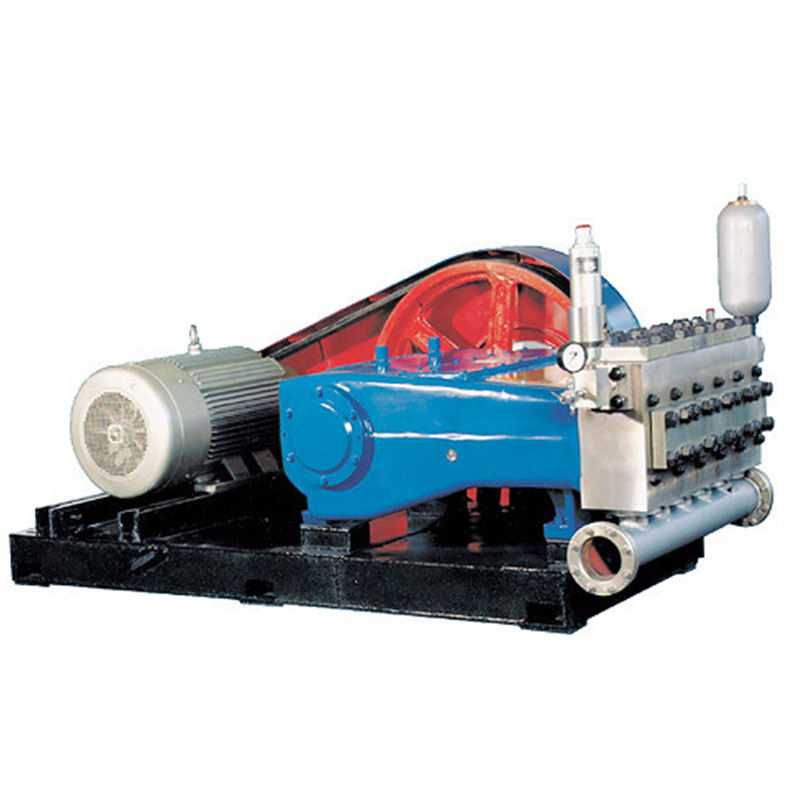
The prime mover—diesel engine or electric motor—sets how a high-pressure reciprocating pump behaves on site: ramp time, efficiency, emissions, and operating cost. Diesel vs electric drive selection is not only about fuel price; it depends on available grid or gen-set power, altitude, duty cycle, hazardous area classification, and whether variable speed adds value. This guide compares engine-driven and motor-driven packages for mud, injection, fracturing, and industrial plunger pump skids.
What Does the Prime Mover Control on a Reciprocating Pump?
Reciprocating pumps convert crank rotation into plunger stroke. The prime mover sets maximum crank speed, torque available at the pump shaft, and how quickly rate can change when operators or SCADA adjust speed.
Diesel engines deliver mobile, high horsepower density for pads without reliable grid power. Electric motors offer efficient continuous duty where power is available and VFD control is acceptable to the pump frame.
Mismatch—undersized motor heat rise, oversized diesel idle fuel burn, or wrong altitude derating—shows up as tripped breakers, smoked belts, or chronic under-rate operation.
When Diesel Drive Is the Right Choice
Remote drilling rigs, fracturing spreads, and mobile injection skids without permanent electrical infrastructure typically use diesel. Engines package with radiators, air filtration, and fuel systems sized for ambient and altitude.
Diesel suits intermittent high load with mobility between wells or pads. Plan maintenance on filters, coolant, and aftertreatment where emissions rules apply.
Altitude and temperature derate horsepower—size engines for worst-case site conditions, not sea-level brochure ratings.
- No grid power — remote oilfield and mining pads
- Mobile trailer or skid that moves between locations
- High horsepower density for short intense frac stages
When Electric Drive Is the Right Choice
Fixed plants, water injection stations, industrial cleaning bays, and desalination boosters often use electric motors for lower operating cost and cleaner exhaust profile where power is stable.
Variable frequency drives (VFDs) allow soft start and rate trimming without mechanical throttling—verify minimum speed, crank lubrication, and harmonic limits with the pump OEM before specifying.
Document voltage, phase, available short-circuit capacity, and hazardous area classification (IECEx / ATEX / NEC) early—retrofit motor specs after skid build is expensive.
Operating Cost, Emissions, and Controls
Electric drive usually wins on energy cost per hour at steady load if industrial power rates are reasonable. Diesel wins on capital flexibility when no substation exists and the skid must move frequently.
Emissions and noise regulations increasingly constrain diesel on urban-industrial boundaries; electric or hybrid gen-set options may be required for permitting.
Controls integration differs: diesel ECU and governor response vs VFD ramp profiles and pump discharge pressure PID. Align shutdown logic with relief and valve closing times.
Gen-Sets, Dual Fuel, and Hybrid Layouts
Some pads use gen-set power for electric motor-driven pumps—treat gen-set fuel and maintenance as part of total cost, not only motor efficiency.
Dual-fuel or gas substitution programs change emissions and heat rate; reciprocating pump torque requirements during rate ramps still bound minimum engine output.
Redundant drive philosophy (N+1 engines or motors) should match permit and operational requirements, not only catalog redundancy badges.
Specifying Drive Type on a JET Pump Package
State site power availability, altitude, ambient range, duty hours, required rate turndown, and area classification in your RFQ. Link to the high-pressure plunger pump or mud pump product line as applicable.
Request a quote through the contact page with destination and startup date. Engineering can propose diesel, fixed-speed electric, or VFD motor packages matched to the pump frame and your field duty.
FAQ
Is diesel or electric better for fracturing pumps?+
Land fracturing spreads historically favor diesel for mobility and high stage horsepower without grid tie-in. Fixed electric fleets exist where power infrastructure and emissions rules support them—choice depends on pad location, permit, and total cost model.
Can VFD control be used on triplex mud pumps?+
VFD control is used on some electric rig pumps with OEM approval for minimum speed, lubrication, and torque limits. Not every frame accepts wide speed turndown—confirm with the manufacturer before retrofit.
How does altitude affect diesel pump packages?+
Engines lose horsepower at altitude due to thinner air. Size the engine with altitude derating charts for your site elevation and maximum ambient temperature—do not use sea-level ratings on high plateau pads.
Does JET offer both diesel and electric pump packages?+
JET configures reciprocating pump packages with diesel or electric drives based on application. Provide power availability, duty, and site conditions when requesting a proposal.