
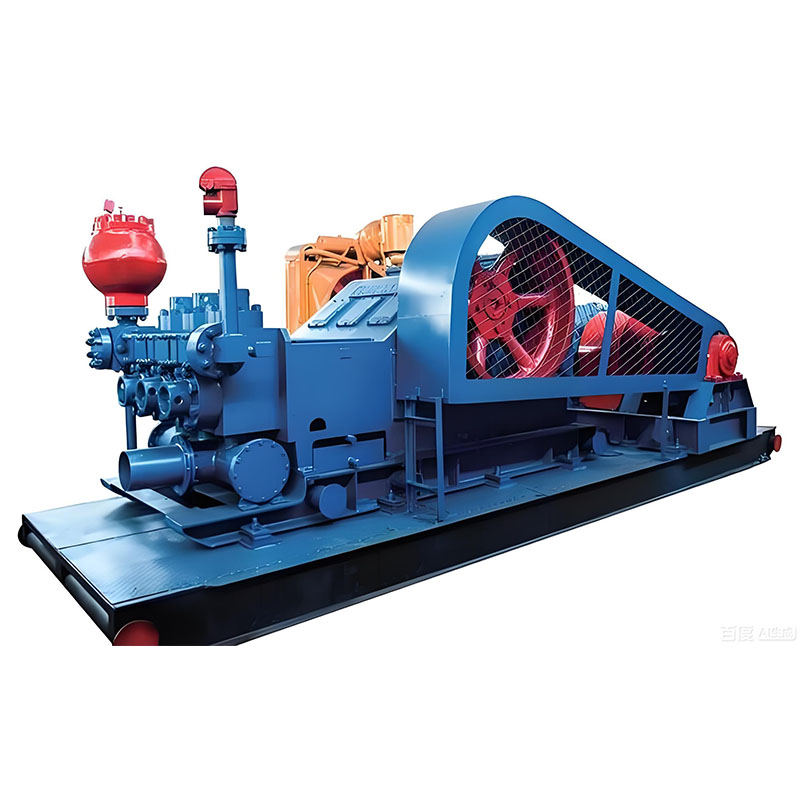
Mud pump maintenance keeps circulation reliable on drilling rigs—lost pump time stops the hole and stacks rig day rates. Effective mud pump maintenance is not only scheduled oil changes; it tracks liner clearance, valve seat wear, suction stability, and pulsation dampener health before failures show up as slow rate or pressure ripple. This guide covers daily checks, fluid end pull criteria, lubrication discipline, and field troubleshooting for triplex mud pumps on oilfield and mining drilling programs.
Why Mud Pump Maintenance Matters on Rig Operations
The mud pump circulates drilling fluid to cool the bit, transport cuttings, and stabilize the wellbore. When pump rate drops or standpipe pressure becomes unstable, drilling slows or stops while crews diagnose valves, liners, or suction issues.
Solids-laden mud accelerates wear on liners, pistons, and valves compared with clean water service. Maintenance intervals should follow strokes, sand loading, and pressure—not calendar days alone.
JET mud pump series targets field service where standardized wet-end kits and clear inspection points reduce non-productive time on remote pads.
Daily and Per-Tour Checks
Monitor lubrication oil level, temperature, and contamination; verify crankcase breathers and guards intact. Listen for knocking that may indicate loose pin, worn bearing, or fluid end misalignment.
Track suction stability: cavitation shows as vibration, erratic gauge, and accelerated valve damage. Confirm hopper level, screen condition, and that degassing equipment functions on active systems.
Record standpipe pressure and stroke rate trends. Gradual pressure rise at fixed rate often signals worn liners or valve leakage; sudden drop may indicate broken valve or lost piston hold-down.
- Oil level, leaks, and unusual noise on power end
- Suction pit level, screens, and air entrainment
- Standpipe pressure vs rate trend each tour
Fluid End Inspection and Liner Wear
Pull liners when clearance exceeds manufacturer limit or when rate loss at acceptable pressure cannot be recovered by valve service alone. Measure plunger/liner clearance with proper tools—do not guess from hours alone.
Inspect valve seats, inserts, and springs for washout, embedment, and fatigue. Replace as sets where mixing old and new components causes uneven loading.
Check piston rubbers or plunger packing for heat damage and chemical swell from oil-based or synthetic mud packages. Wrong mud chemistry shortens seal life even when pressure is within rating.
Valve and Seat Service Intervals
Valve life tracks strokes and solids size distribution. Hard formation drilling with coarse returns may require shorter intervals than vertical intermediate sections.
Use correct torque and tooling on cover bolts—warped covers leak and misalign seats. Keep cover threads clean and lubricated per spec.
After valve service, ramp rate gradually and watch for hammer on suction or discharge indicating trapped air or a seated valve not opening fully.
Pulsation Dampeners and Lubrication Systems
Pulsation dampener pre-charge must match operating pressure band; wrong charge causes pressure ripple that damages surface iron and accelerates fatigue on pump valves.
Forced lubrication systems need clean oil, correct pressure, and alarm verification. Starved bearings on the power end fail catastrophically compared with gradual wet-end wear.
Document oil analysis if available—rising iron or silicon may warn of internal wear before audible failure.
Field Troubleshooting and JET Support
Common symptoms: low rate (liners/valves/suction), high pressure at low rate (partial blockage or bit nozzle change), vibration (cavitation, misalignment, dampener), and oil in discharge (packing failure).
Keep serial frame size, stroke, and wet-end kit numbers in the rig records so spare parts orders match the installed pump—not a similar unit on another pad.
For overhaul planning or OEM kit lists, link to the mud pump series product page and request support through the contact page with duty hours, mud type, and current symptoms.
FAQ
How often should mud pump liners be replaced?+
Replacement depends on measured liner clearance, stroke count, mud abrasiveness, and pressure—not a fixed calendar interval. Pull and measure when rate drops at normal pressure or when clearance exceeds the manufacturer limit.
What causes mud pump cavitation?+
Cavitation usually comes from insufficient suction head, air entrainment, clogged screens, or gas-cut mud. It damages valves quickly and shows as vibration and unstable pressure—fix suction conditions before repeated valve changes.
Why does standpipe pressure rise while drilling?+
Rising pressure at steady rate may indicate worn liners/valves, partial blockage in the string, or bit nozzle plugging. Trend data helps separate pump wear from downhole hydraulic changes.
Does JET supply mud pump spare parts and service guidance?+
JET supports mud pump series customers with fluid end kits and engineering guidance. Provide frame size, mud properties, and symptoms when contacting sales for parts or overhaul planning.