
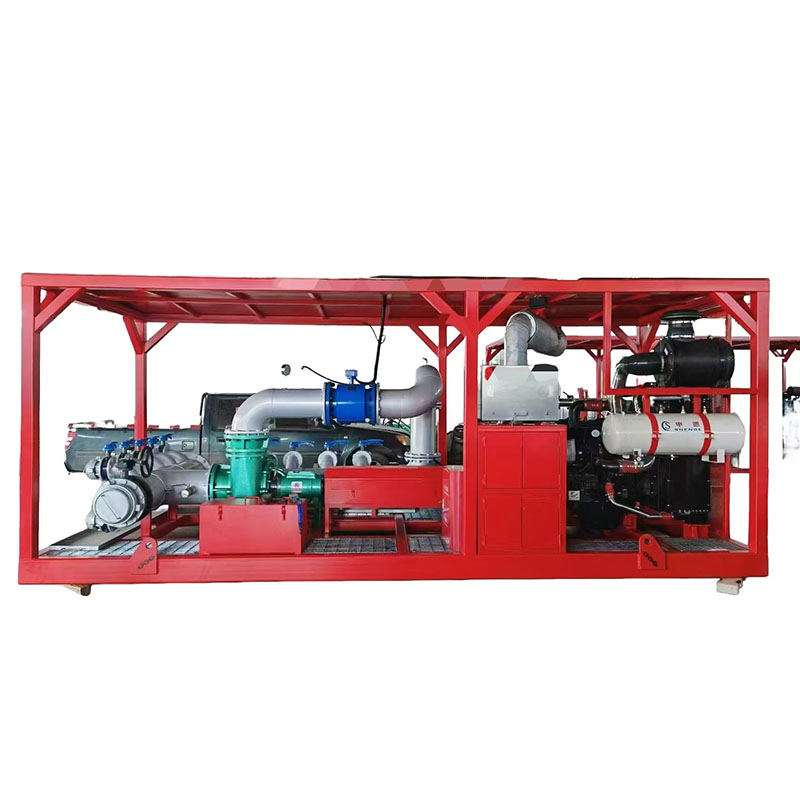
Injection pumps and fracturing pumps both move fluid at high pressure in upstream oil and gas—but they solve different problems with different duty cycles, fluid properties, and fluid end designs. Choosing wrong costs non-productive time, premature valve wear, or underpowered stimulation stages. This guide compares waterflood and disposal injection against hydraulic fracturing service, explains triplex layout differences, and shows what to specify for each application.
What Is the Core Difference Between Injection and Fracturing Pumps?
Injection pumps deliver relatively clean water, brine, polymer, or CO2 into formations for pressure support, disposal, or EOR—often running hours or days continuously at stable rate and pressure.
Fracturing pumps deliver proppant-laden slurry in short, intense stages to open and prop fractures. Solids loading, pulsation, and peak horsepower per stage define the duty—not months of steady brine injection.
Using an injection-spec fluid end on proppant frac without redesign accelerates liner and valve wear. Using frac oversizing for steady waterflood wastes capital and complicates maintenance schedules.
When You Need an Injection Pump
Waterflood and pattern injection maintain reservoir pressure and sweep. Disposal wells inject produced water at permitted rates. Polymer or chemical injection adds viscosity or treatment at lower solids than frac sand.
Duty emphasizes stable flow, long seal life on clean or filtered fluids, and compliance with injection pressure limits. Triplex plunger pumps are common; quintuplex appears where higher rate with lower pulsation is justified.
Specify suction conditions (deaeration, filtration), allowable pressure ramp, and whether CO2 or other compressible phases require different seal and metallurgy plans than brine.
- Waterflood / pattern injection — continuous, clean filtered fluid
- Disposal wells — permitted rate and pressure envelopes
- Polymer / chemical injection — viscosity and shear sensitivity
When You Need a Fracturing Pump
Hydraulic fracturing, acidizing with proppant, and high-rate stimulation stages need pumps rated for abrasive slurry, rapid rate ramps, and fleet redundancy (N+1 units on pad).
Fluid ends use hardened liners, heavy valve geometry, and quick-access covers because stage length is measured in minutes but wear is concentrated.
Quintuplex fracturing pumps reduce pulsation at high rate on long laterals; triplex remains common on smaller pads and workover stimulation.
Pressure, Rate, and Fluid End Comparison
Injection programs often target steady pressure below fracture gradient of the injection zone; fracturing intentionally exceeds formation breakdown pressure during the pad, then holds treating pressure through proppant stages.
Rate on injection may be modest per well but continuous; frac stage rate can be very high for limited time with sand concentration changing effective viscosity minute to minute.
When RFQs list the same horsepower class for both services, ask for performance curves at your actual fluid—not water-only factory sheets.
Fleet Layout and Redundancy
Injection facilities may run duplex or single trains with standby spare; fracturing spreads size for stage rate with one unit out for fluid end service without canceling the job.
Controls differ: injection SCADA tracks cumulative volume and pressure compliance; frac data acquisition ties rate and pressure to stage logs with automatic shutdown on overpressure.
Document who integrates controls, telemetry, and relief routing before ordering skids for either service line.
Specifying JET Injection or Fracturing Packages
State service type first—waterflood, disposal, EOR, stimulation, or acid frac—then rate, pressure, fluid properties, and duty hours. Link to the injection pump or fracturing pump product lines as appropriate.
Request a quote through the contact page with destination and timeline. Engineering can confirm frame, wet-end, and driver match before you mix fleet assets across incompatible duties.
FAQ
Can a fracturing pump be used for water injection?+
Physically possible on some frames, but economically and operationally poor unless the fluid end is configured for clean continuous injection. Frac fluid ends optimized for sand wear are not ideal for long steady brine duty without re-specification.
Can an injection pump handle hydraulic fracturing?+
Generally no for proppant fracturing. Injection pumps lack abrasive slurry fluid end design and fleet horsepower staging required for stimulation stages. Acid jobs without proppant may still need higher peak rates than typical injection duty.
Which pump type uses quintuplex layout more often?+
Quintuplex is more common on high-rate land fracturing where lower pulsation supports long laterals and high sand loading. Injection fleets more often use triplex unless high rate with low pulsation justifies the added complexity.
Does JET supply both injection and fracturing pumps?+
JET manufactures injection pump and fracturing pump packages for oilfield service. Specify the exact duty, fluid, and rate–pressure envelope when requesting a proposal.