
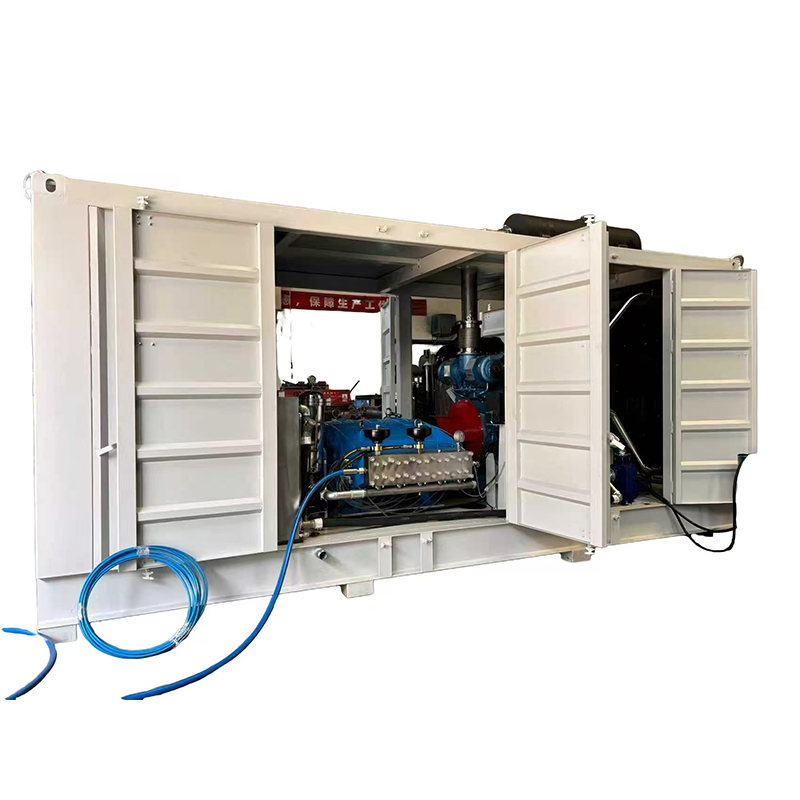
A high-pressure cleaning pump delivers water or detergent at the pressure and flow your nozzle and surface job require—not every portable washer labeled with peak PSI fits continuous industrial descaling or tank cleaning. Cleaning pump selection starts with target pressure, gallons per minute, duty hours, and whether you need heated water, multiple guns, or trailer-mounted supply. This guide covers pump types, PSI–GPM trade-offs, heating and accessory sizing, and what to specify before you buy.
What Does a High-Pressure Cleaning Pump Do?
High-pressure cleaning pumps boost municipal or tank water to hundreds or thousands of PSI so jets remove scale, paint, grease, concrete residue, or marine growth from equipment, vessels, pipelines, and floors. The pump is the heart of a washer system—electric motor or engine, unloader, hose, gun, and nozzle determine what operators experience at the trigger.
Industrial duty differs from occasional garage use: shift-long runtime, heated water, long hose runs, and abrasive media injection (where permitted) push requirements toward triplex plunger or heavy-duty piston packages with proper relief and thermal protection.
JET high-pressure cleaning machine series targets plant maintenance, oilfield washdown, mining equipment cleaning, and municipal/industrial contractors who need repeatable PSI–GPM at the nozzle—not brochure peak numbers measured at a restricted orifice.
Matching PSI, GPM, and Nozzle Size
Cleaning effectiveness depends on impact force at the nozzle—function of pressure and flow together. High PSI with low GPM cuts tight patterns for paint removal; higher GPM with moderate PSI covers large tanks and heat exchangers faster. Pick nozzle orifice and gun count first, then size the pump to supply them without running constantly at relief.
Undersizing flow starves multiple operators on the same manifold; oversizing pressure without training risks substrate damage or hose failure. Account for hose length and elevation: friction drop at 100 m of hose can be significant at high flow.
Unloader and regulator behavior matters on intermittent trigger duty. Pumps that hunt between bypass and fire wear valves faster—match unloader type to expected trigger pattern on your site.
- High PSI / lower GPM: focused jet, coating removal, detail work
- Moderate PSI / higher GPM: tanks, floors, heat exchanger bundles
- Size for simultaneous guns if crew works in parallel
Plunger, Piston, and Cat Pump–Class Packages
Triplex plunger pumps dominate industrial cleaning skids rated for continuous duty. They tolerate frequent unloader cycles better than lightweight axial or wobble-plate units found on entry consumer washers—when maintenance intervals and spare parts availability matter on remote sites.
Direct-drive electric packages suit fixed plant bays with stable power. Engine-driven trailer units fit field oilfield, construction, and marine jobs. Compare crank speed, oil bath versus grease lubrication, and wet-end access before standardizing a fleet.
When RFQs reference cat pump or triplex class frames, confirm stroke, bore, and maximum temperature with heated water if applicable—not only maximum PSI stamped on the frame.
Heated Water, Detergent, and Accessories
Heated cleaning reduces time on grease and hydrocarbon films. If you specify a burner or heat exchanger, confirm pump seal and packing temperature limits and that suction supply cannot cavitate when hot water returns to the tank.
Detergent injection downstream of the pump is common; abrasive pots or soda blasters (where allowed) add solids handling requirements—do not use a standard water-only cleaning pump without verifying valve and seal compatibility.
Filtration on suction extends valve life on recycled tank water. Document water quality if you pull from pits or settling tanks on oilfield or mining sites.
Duty Cycle, Safety, and Installation
Industrial cleaning pumps rated for continuous duty need adequate cooling, oil level monitoring, and guard interlocks. Relief valves must discharge to a safe location when triggers close and unloader dumps to bypass.
Operator safety includes whip checks on couplings, rated hose for maximum pressure, and personal protective equipment for high-pressure injection injury risk—training is part of system specification, not an afterthought.
Fixed installations should plan for vibration isolation, drain containment, and electrical classification if used near flammable vapor areas.
Specifying a JET High-Pressure Cleaning Package
Bring target PSI and GPM, number of operators, duty hours per day, water supply temperature, heated water need, and mount type (skid, trailer, fixed) to your RFQ. Link requirements to the high-pressure cleaning machine product line.
Request a quote through the contact page with destination and timeline. Engineering can propose pump frame, driver, and accessory layout before you mobilize crews.
FAQ
What PSI do I need for industrial high-pressure cleaning?+
PSI depends on the substrate and contaminant—not a single universal number. Paint and heavy scale often need higher pressure; general washdown and large-area rinsing may use moderate PSI with higher GPM. Define the job, nozzle size, and surface material before selecting pump rating.
What is the difference between PSI and GPM for cleaning pumps?+
PSI is discharge pressure; GPM is flow rate. Cleaning impact depends on both together at the nozzle. High PSI with low GPM suits tight cutting jets; higher GPM covers large surfaces faster at moderate pressure.
Can one cleaning pump supply multiple guns?+
Yes, if total orifice area and flow at operating pressure stay within pump capacity without continuous relief bypass. Size the pump for peak simultaneous demand, not a single gun alone.
Does JET supply high-pressure cleaning machines for industrial use?+
JET builds high-pressure cleaning pump packages for industrial washdown, descaling, and field service. Share PSI–GPM targets, duty cycle, and heating needs when requesting a proposal.