
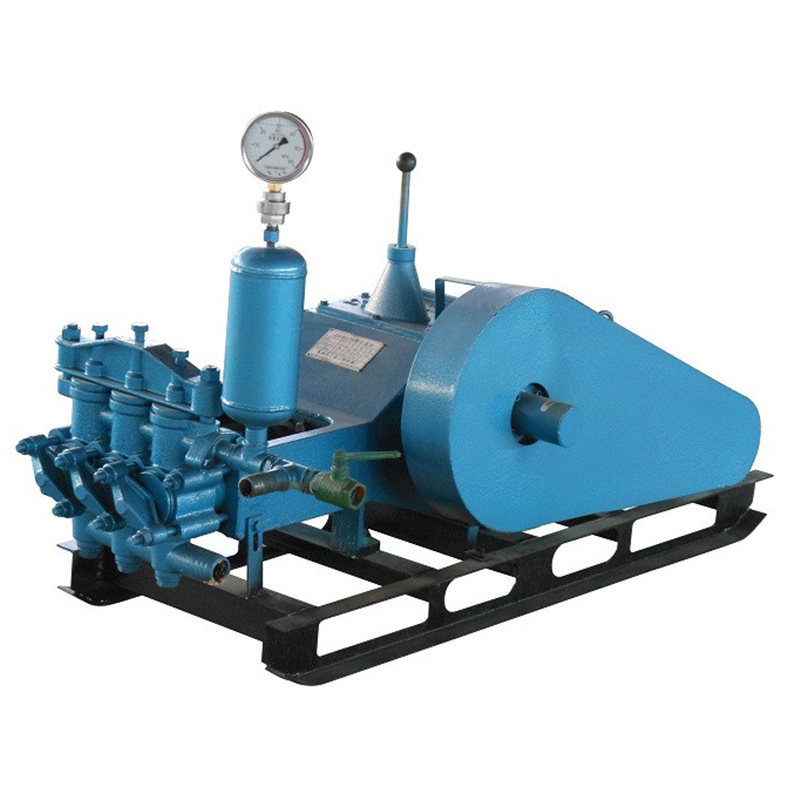
A grouting pump delivers cementitious or chemical grout into rock, soil, or voids at controlled pressure and rate—not the same duty as oilfield water injection or drilling mud circulation. Grouting pump selection starts with your mix design, hole spacing, and whether the job is permeation, compaction, or structural backfill. This guide covers pressure–flow windows, plunger versus piston layouts, abrasive slurry service, and what to specify before you buy.
What Does a Grouting Pump Do on Site?
Grouting pumps move prepared grout from a mixer through hoses or pipes into drill holes, annuli, or contact surfaces. The goal is to fill voids, improve ground strength, seal water paths, or bond rock and concrete—common in tunneling, dam foundations, mining backfill, and soil stabilization.
Unlike mud pumps that circulate drilling fluid in a closed loop, grouting is typically batch or continuous injection into the formation until refusal pressure or design volume is reached. Pulsation, rate stability, and the ability to restart after a brief stop matter because grout can stiffen in lines if flow drops.
JET grouting pump series targets high-pressure cement and slurry programs where operators need repeatable rate control and wet-end access for cleaning between batches. Start with the grout mix report: density, sand content, water–cement ratio, and any accelerators—not catalog horsepower alone.
Grouting Pump vs Injection Pump vs Mud Pump
Oilfield injection pumps prioritize long, steady delivery of relatively clean water or polymer at controlled pressure for reservoir support. Mud pumps circulate solids-laden drilling fluid with high continuous flow. Grouting pumps sit between: they handle thicker, often abrasive cement slurries, may run intermittently, and must tolerate brief dead-head before shutoff.
Confusing the three leads to wrong valve geometry, insufficient suction capability, or power ends sized for water-only friction. If your fluid is neat cement or microfine grout with low sand, a high-pressure plunger package may fit. Heavy sand-laden backfill or tailings grout needs larger liners and slower stroke options to pass solids without packing valves.
- Injection pump: clean fluid, long steady duty, reservoir programs
- Mud pump: high circulation rate, abrasive drilling mud, closed loop
- Grouting pump: batch/continuous grout, thicker slurry, refusal pressure
Pressure, Flow Rate, and Refusal Criteria
Tunnel and foundation specs usually give injection pressure limits, stage volume per hole, and spacing. The pump must reach design pressure at planned flow without excessive pulsation that fractures the ground unintentionally. Undersizing flow extends cycle time; oversizing pressure risks blowout or hose failure at connections.
Rate depends on hole diameter, grout viscosity, and line length. Long surface lines add friction—account for elevation and hose ID in the calculation, not just pump discharge rating. Many jobs stage from low rate to target pressure, then hold until refusal or volume met.
Leave margin for liner wear and temperature: warm ambient conditions shorten workable time for standard Portland mixes. Winter jobs may need heated lines and different accelerator packages—specify seasonal programs when requesting a quote.
Plunger vs Piston Layouts for Grouting
Triplex plunger grouting pumps are common on mining and civil jobs: three cylinders, crank-driven, familiar maintenance for field crews. They deliver high pressure with compact footprint—useful on tunnel faces with limited space.
Piston pumps appear where larger bore and lower speed help pass thicker mixes. Compare stroke length, liner size, and maximum sand concentration allowed—not only maximum MPa on the nameplate.
When comparing quotes, ask for performance at your expected grout viscosity and sand loading, not water-only factory curves. A pump that meets pressure on water may stall on a 1:1 grout mix at the same crank speed.
Fluid End, Valves, and Abrasive Grout Service
Cement grout with sand or tailings wears seats, valves, and liners faster than neat cement. Hardened liners, correct valve type, and quick-access covers reduce non-productive time more than adding catalog horsepower.
Flush procedures matter: grouting pumps that are easy to disassemble and wash after each shift last longer in remote tunnel or mine sites. Specify whether you need S-tube, ball check, or flat valve designs based on maximum particle size in the mix.
JET configures grouting pump fluid ends for high-pressure cement slurry and industrial backfill programs, with options aligned to the grouting pump product line for tunnel, mining, and foundation contractors.
Specifying a JET Grouting Pump Package
Bring mix design, maximum sand content, target pressure and flow per hole, duty hours per day, and prime mover preference to your RFQ. Note hose length, elevation, and whether the unit is skid-mounted, trailer, or tunnel-rail mounted.
Link requirements to the grouting pump series product page and share layout drawings if space is tight. Request a quote through the contact page with destination and timeline so engineering can propose frame size, lubrication, and wet-end materials before mobilization.
FAQ
What is the difference between a grouting pump and an injection pump?+
Grouting pumps inject cement or chemical grout into ground or voids, often handling thicker, abrasive slurries at batch or staged duty. Injection pumps typically deliver cleaner fluids at steady pressure for oilfield water flooding or disposal. Wet-end design and operating rhythm differ—do not interchange selection criteria.
What pressure rating does a grouting pump need for tunnel work?+
Pressure follows ground conditions and hole design, not a single catalog class. Provide refusal pressure, hole depth, and grout mix so the manufacturer can size the power end for continuous injection duty with realistic line friction and safety margin.
Can grouting pumps handle sand-laden cement grout?+
Yes, when the fluid end is sized for your maximum particle size and sand concentration. Specify mix design in the RFQ—pumps rated for neat cement may not pass heavy sand slurries without larger liners and appropriate valve geometry.
Does JET supply grouting pumps for mining and tunnel projects?+
JET builds high-pressure grouting pumps for cement slurry, backfill, and industrial injection programs. Share mix design, pressure–flow targets, and certification requirements for your destination market when requesting a proposal.