
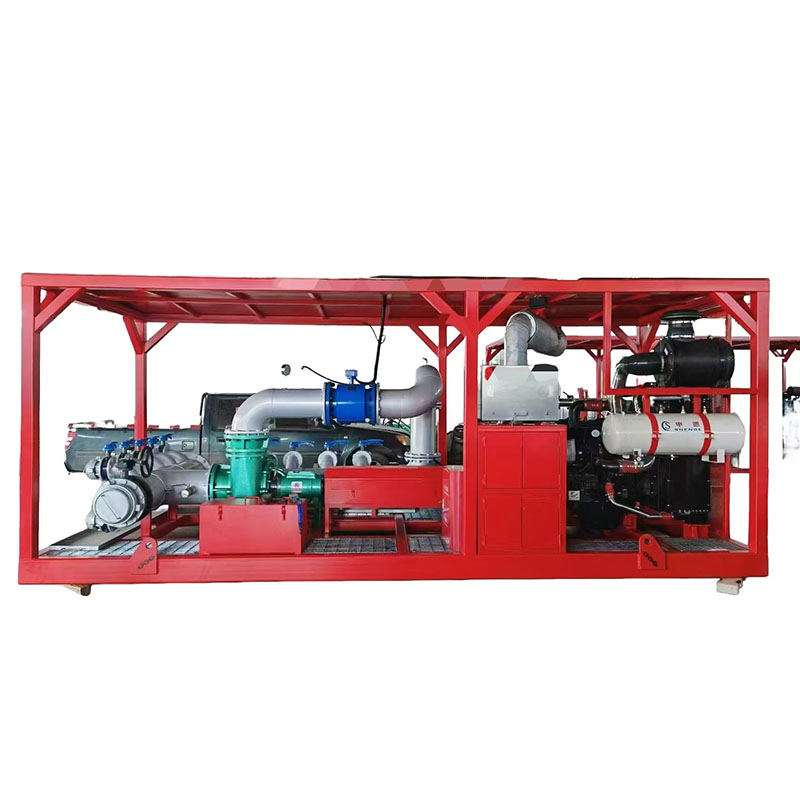
A hydraulic fracturing pump must deliver proppant-laden slurry at high rate and pressure for hours—not a brief drilling circulation peak. Fracturing pump selection starts with stimulation program data: stage rate, treating pressure, sand loading, and duty cycle per day. This guide covers how frac duty differs from mud and injection service, quintuplex versus triplex layouts, and what to specify on the fluid end before you buy.
What Hydraulic Fracturing Pumps Do on Location
Fracturing pumps move a blended slurry—water, chemicals, and proppant—into the formation at pressures high enough to create and propagate fractures. Unlike mud pumps that circulate drilling fluid in a closed loop, stimulation pumps see intermittent but intense duty: ramp to rate, hold pressure through the pad and proppant stages, then stop. Each stage may run 30–90 minutes; a fleet may pump multiple stages per day for weeks.
Solids loading is the defining difference. Proppant concentrates wear liners, valves, and seats faster than clean injection water. Pulsation management matters because surface iron and wireline crews work near the treating line. A fracturing pump package must be sized for continuous stimulation horsepower, not catalog peak numbers from a different service line.
Triplex vs Quintuplex Fracturing Pumps
Land stimulation fleets historically ran triplex fracturing pumps—three plungers, high horsepower per unit, familiar maintenance patterns for field crews. Quintuplex designs add two cylinders for smoother flow and higher rate at similar crank speeds, which can reduce pulsation dampening hardware on long laterals with high sand loading.
Quintuplex units cost more upfront and need tighter alignment and lubrication discipline. Triplex remains common on workover-style stimulation and smaller pads. When comparing quotes, ask for rate and pressure at planned crank speed with your expected slurry viscosity—not water-only factory curves.
- Triplex: proven field service model, higher pulsation per cylinder
- Quintuplex: higher flow, lower pulsation—common on high-rate shale programs
- Match fleet count to stage rate with redundancy, not single-pump peak capacity
Pressure, Rate, and Proppant Loading
Completion engineers supply target treating pressure, stage rate, and maximum sand concentration. The fracturing pump must stay inside that envelope when fluid friction changes as proppant enters the line. Undersizing rate forces longer stage times; undersizing pressure rating risks relief valve chatter or premature valve failure.
Horsepower follows rate × pressure ÷ efficiency. Friction reducers and temperature affect effective viscosity—specify winter and summer programs if the pad runs year-round. Leave margin for liner wear: as clearance opens, internal leakage rises and effective rate at the blender drops even when the gauge looks stable.
Redundancy planning matters. Most fleets run N+1 pump count so a fluid end pull does not cancel a stage. Size each unit for partial fleet operation, not the case where every pump runs at 100% simultaneously forever.
Fluid End, Valves, and Abrasive Slurry Service
The fluid end on a stimulation pump sees sand, resin-coated proppant, and chemical packages in the same shift. Hardened liners, correct valve geometry, and rapid-access covers reduce non-productive time more than chasing an extra 200 HP on the power end. Specify metallurgy for your maximum sand loading and any acid stages in the same job.
Seat and valve life track strokes and sand concentration—not calendar days alone. Fleets that standardize wet-end kits across units simplify warehouse stock on remote pads. JET fracturing pump series targets high-pressure stimulation skids with configurable fluid ends for abrasive slurry programs.
Power End, Controls, and Fleet Integration
Diesel-driven stimulation units need altitude and ambient derating; electric fleets need VFD harmonics and power factor checked against crank speed limits. Data acquisition ties pump rate and pressure to the job log—confirm signal list and who owns shutdown logic before the skid ships.
Alignment, grouting, and guard interlocks on first startup matter as much as catalog performance. Plan laydown space for plunger pull and valve cover access before the unit arrives—remote pads without crane service need modular designs field crews can handle with standard rig tools.
Specifying a JET Fracturing Pump Package
Bring stage rate, treating pressure, max sand loading, duty hours per day, and prime mover preference to your RFQ. Link requirements to the fracturing pump product line and note any OEM frame interchange for an existing fleet layout.
Request a quote through the contact page with destination and timeline. Engineering can propose frame size, lubrication, and wet-end materials before you lock fleet deployment dates.
FAQ
What is the difference between a fracturing pump and a mud pump?+
Mud pumps circulate drilling fluid for cuttings removal during drilling. Fracturing pumps deliver proppant slurry at high pressure for reservoir stimulation. Frac fluid ends are optimized for abrasive sand loading and intermittent high-rate stages, not weeks of solids-laden circulation.
How much horsepower does a fracturing pump need?+
Horsepower depends on treating pressure, stage rate, and fluid efficiency—not a fixed catalog class. Provide your completion program values and slurry properties so the manufacturer can size the power end for continuous stimulation duty with realistic derating.
When should a fleet choose quintuplex over triplex fracturing pumps?+
Quintuplex layouts help when high stage rates and lower pulsation are priorities and the fleet accepts higher upfront cost and alignment discipline. Triplex remains valid for moderate rates and established maintenance workflows. Compare both against your actual stage design, not generic fleet averages.
Does JET supply fracturing pumps for stimulation fleets?+
JET builds high-pressure fracturing pumps for stimulation and pressure pumping packages. Share stage design, sand loading, and certification requirements for your destination market when requesting a proposal.