
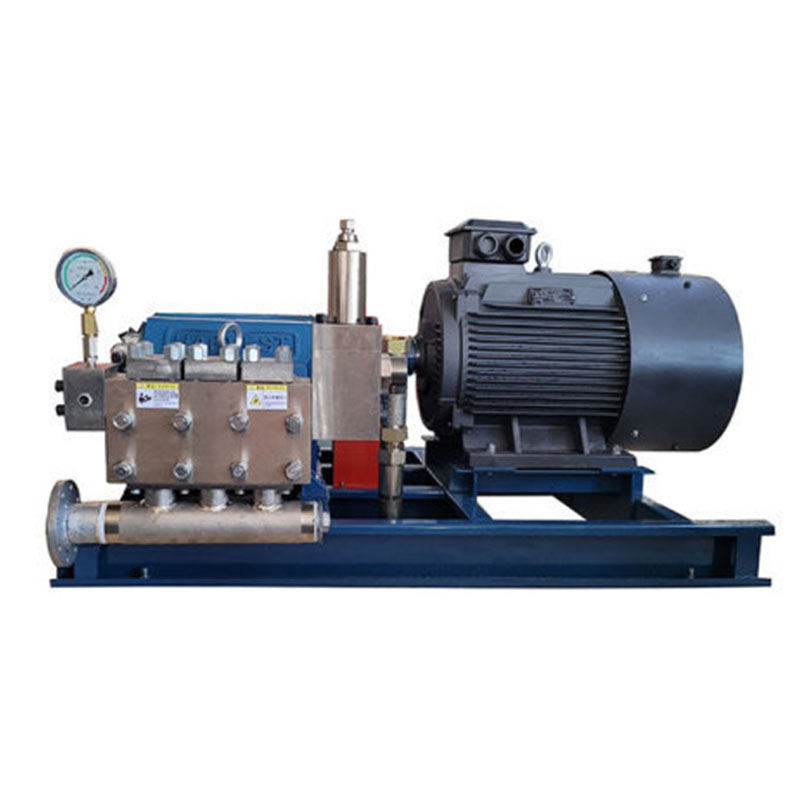
Water injection and chemical dosing pumps run for months at fixed pressure targets—not peak headline horsepower. A high-pressure injection pump must hold setpoint when viscosity shifts, filters load, and back-pressure from the formation changes—whether for water flooding or high pressure reactor injection pump feed in process plants. This guide covers how injection duty differs from mud circulation, what to specify on the fluid end, and how to size for water flooding, polymer, disposal, and reactor-feed service.
Injection Pumps vs Mud Pumps: Different Duty
Mud pumps move abrasive, solids-laden drilling fluid in a circulation loop. Injection pumps deliver cleaner water, brine, or chemicals into the formation at controlled pressure for water flooding, polymer injection, enhanced oil recovery, or disposal wells. Valves and packing see different wear patterns: injection service emphasizes steady pressure and low pulsation; mud service emphasizes passing solids and surviving hammer from cuttings.
If you reuse mud pump selection criteria for an injection skid, you may oversize pulsation equipment or underspecify metering stability. Injection packages often run tied to PLC setpoints with minimum turndown requirements that drilling circulation does not share.
Common Oilfield Injection Applications
Water flooding maintains reservoir pressure as oil is produced. Pumps run long duty cycles at relatively stable discharge pressure, with suction from treated water headers or booster stations. Polymer or chemical injection adds viscosity and shear sensitivity—rate changes must be gradual to avoid slugging the formation.
Disposal wells accept produced water returns at permitted pressures. Here, reliability and leak containment dominate: double containment options, corrosion-resistant wetted parts, and clear maintenance access for seals. Offshore injection skids add footprint and weight limits; onshore battery sites prioritize multiple smaller units for redundancy over one oversized pump.
- Water flooding / pressure maintenance
- Polymer or chemical EOR injection
- Disposal and saltwater injection wells
- CO2 or miscible flood booster stages (paired with dedicated CO2 pumps where required)
Pressure, Flow, and Turndown
Reservoir engineers supply target injection rates and maximum wellhead pressure. The pump must operate inside that envelope across seasonal temperature swings and filter differential pressure. Specify continuous duty power—not a 30-minute drilling peak rating.
Turndown matters when the same skid injects into multiple zones or when field trials ramp polymer concentration. Variable speed drives help, but the pump must still lubricate and cool correctly at low crank speed. Ask for a curve covering the full RPM range you plan to use, not only 100% speed.
On multi-pump headers, avoid dead-head scenarios during valve switching. A short period at shut-in pressure can cut plunger life if relief paths are undersized. Include discussion of minimum flow recycle or dampener strategy in the RFQ.
Fluid End, Materials, and Water Quality
Injection water quality drives material choice. Oxygen scavengers, biocides, and suspended solids each affect valve and seat life. For high-salinity or H2S environments, specify metallurgy explicitly—carbon steel manifolds with the wrong trim fail quietly before pressure rating is reached.
Plunger pumps remain the default for high-pressure injection because efficiency and pressure capability stay high at field-relevant rates. Multi-stage centrifugal trains appear at lower pressures and very high flow, but when wellhead requirements climb above typical centrifugal stages, reciprocating injection pumps return to the discussion.
JET injection pumps are built as high-pressure reciprocating units for upstream injection skids, with robust plunger architecture aimed at low pulsation and integration with field control systems.
Controls, Skids, and Site Installation
Modern injection sites tie pumps to SCADA with pressure, flow, and vibration monitoring. Specify instrument taps, minimum PLC signal list, and who owns the shutdown logic—pump vendor versus integrator. Alignment and grouting on first startup matter as much as catalog performance; a skewed skid loads the crosshead until something gives months later.
Plan lifting, laydown space for plunger pull, and valve cover access before the skid ships. Remote pads without crane access need modular fluid ends or split designs that field crews can handle with standard rig tools.
Working with JET on Injection Pump Packages
Share injection rate, wellhead pressure, water analysis summary, duty hours, and electric versus diesel prime mover preference. Link requirements to the high-pressure injection pump product line and note any OEM frame interchange you need for an existing pad layout.
Request a quote through the contact page with destination and timeline. Engineering can propose frame size, lubrication, and wetted materials before you lock civil works on the injection site.
FAQ
What pressure range do oilfield injection pumps typically handle?+
Pressure depends on formation depth, injectivity, and well completion design—not a single catalog band. Surface injection pumps are sized from reservoir and wellhead targets; provide those values plus water quality so the manufacturer can propose frame and plunger size without guessing.
Can one pump handle both water flooding and polymer injection?+
Often yes, if turndown, shear sensitivity, and chemical compatibility are addressed in the fluid end and controls. Polymer programs may need slower ramp rates and different valve metallurgy than plain water flood duty—state both modes in the RFQ.
How is injection pump maintenance different from mud pumps?+
Injection pumps usually see cleaner fluid but longer continuous hours. Seal and valve wear tracks hours and chemical exposure more than solids content. Predictive checks focus on leakage, vibration, and gradual pressure drift rather than sudden cuttings damage.
Does JET supply injection pumps for offshore skids?+
JET builds high-pressure injection pumps for onshore and offshore injection packages. Share skid weight limits, hazardous area classification, and required certifications for the destination market when requesting a proposal.