
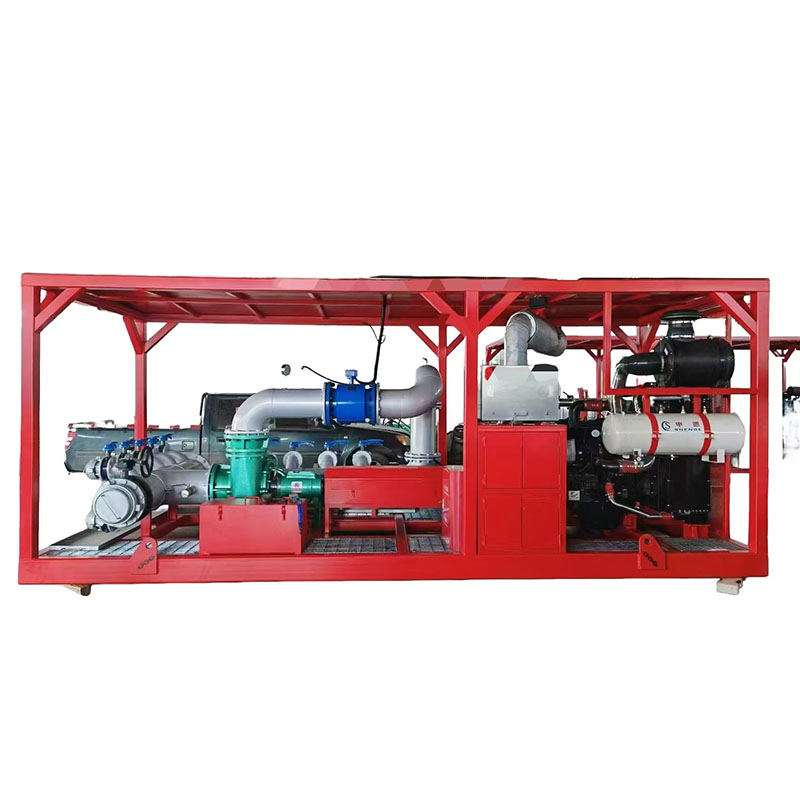
An oilfield fracturing pump—often called a frac pump—generates the hydraulic horsepower to push treating fluid from the blender into the wellbore at pressure high enough to fracture rock and carry proppant into those fractures. Fracturing pumps are not general-purpose water injectors: they see proppant-laden slurry, short intense stages, and surface treating pressures that define completion economics. This guide explains frac pump purpose on location, how stimulation stages work, and when fleets specify triplex versus quintuplex reciprocating units.
What Is the Purpose of a Fracturing Pump on a Completion Pad?
Hydraulic fracturing creates conductive pathways in tight formations so oil and gas flow to the wellbore. Fracturing pumps take blended fluid—water, friction reducer, biocide, and eventually proppant—from the blender and discharge it through manifolds and treating iron to the wellhead at programmed rate and pressure.
Without reliable frac pumps, stages stop: wireline cannot run, proppant schedules slip, and pad costs accumulate. Fleets therefore run multiple pumps in parallel with redundancy so one fluid end service does not cancel a treatment.
JET fracturing pump packages target stimulation skids where reciprocating high-pressure duty and abrasive slurry service define the build.
How Fracturing Pumps Support Stimulation Stages
A typical stage ramps from pad fluid to proppant-laden slurry, holds treating pressure while sand concentration steps up, then flushes to the formation. Each stage may run 30–90 minutes; a pad may pump many stages per day for weeks during a completion program.
Pumps must follow rate and pressure setpoints from the control trailer while tolerating viscosity changes as chemicals and proppant enter the line. Pulsation affects surface iron fatigue and downstream measurement—fleet layout and cylinder count influence how much dampening hardware is required.
Acid fracturing, high-rate water fracs, and refrac programs all use the same fundamental pump role with different fluid schedules and metallurgy on the fluid end.
Treating Pressure, Rate, and Proppant Placement
Completion engineers set maximum treating pressure from fracture gradient, depth, and casing design. Stage rate and sand loading determine how quickly proppant reaches the perforations and whether the fracture geometry matches the reservoir model.
Fracturing pumps convert prime mover horsepower into hydraulic power at the fluid end. Horsepower demand rises with rate and pressure; efficiency losses show up as heat and wear before they show up as a obvious gauge problem.
Proppant—sand or ceramic—accelerates liner and valve wear compared with clean water injection. That is why frac-spec fluid ends use hardened components and rapid-access covers designed for field pulls between stages.
- Pad and slurry stages: establish fracture, then carry proppant
- Treating pressure limited by well design and formation gradient
- Solids loading drives fluid end metallurgy and maintenance intervals
Triplex and Quintuplex Fracturing Pump Layouts
Most land stimulation fleets use triplex (three-cylinder) or quintuplex (five-cylinder) reciprocating plunger pumps. Triplex units are familiar to field crews and widely stocked for maintenance; quintuplex designs can deliver higher rate with smoother flow at similar crank speed, which matters on high-rate shale programs.
Several pumps operate in parallel to reach total stage rate—not one pump at brochure peak alone. Electric-drive spreads are increasingly specified where grid power and emissions rules favor fixed or semi-fixed locations over diesel-only fleets.
Fracturing pump selection compares triplex versus quintuplex, proppant loading, and fleet redundancy for your stimulation program.
Other High-Pressure Uses on Fracturing Equipment
The same pump class may support acid fracturing, high-pressure fluid pumping for specialty treatments, or pressure testing of treating iron when procedures require—always within the fluid end and seal limits of the build.
These duties still differ from long-term waterflood injection: duration, fluid cleanliness, and solids content remain the deciding factors. Repurposing injection-spec wet ends on proppant frac without redesign shortens valve life.
Injection pump versus fracturing pump comparison explains when to specify each oilfield unit.
When to Specify a JET Fracturing Pump Package
Bring stimulation program data: stage rate, treating pressure, sand loading, stages per day, and prime mover preference (diesel, electric, or hybrid).
Review the fracturing pump product series for abrasive slurry fluid end options and skid layout.
Request a quote through the contact page with pad location and timeline so engineering can align frame count and wet-end kits with your completion schedule.
FAQ
What is the main purpose of a fracturing pump?+
To deliver proppant-laden stimulation fluid at high rate and treating pressure into the wellbore so rock fractures open and proppant stays in place after pressure is released—enabling oil and gas production from tight formations.
How is a fracturing pump different from a mud pump?+
Mud pumps circulate drilling fluid in a closed loop for cuttings removal during drilling. Fracturing pumps deliver intermittent high-intensity slurry stages during completions. Fluid properties, duty cycle, and fluid end design differ— they are not interchangeable without re-specification.
Why do frac fleets run multiple pumps in parallel?+
Total stage rate and horsepower exceed what one unit reliably provides, and redundancy keeps the treatment moving if one pump needs a fluid end pull. Fleets size for N+1 operation, not single-pump peak capacity alone.
Does JET manufacture fracturing pumps for stimulation service?+
Yes. JET builds high-pressure fracturing pump packages for proppant slurry duty. Share stage rate, treating pressure, sand loading, and fleet layout when requesting a proposal.