
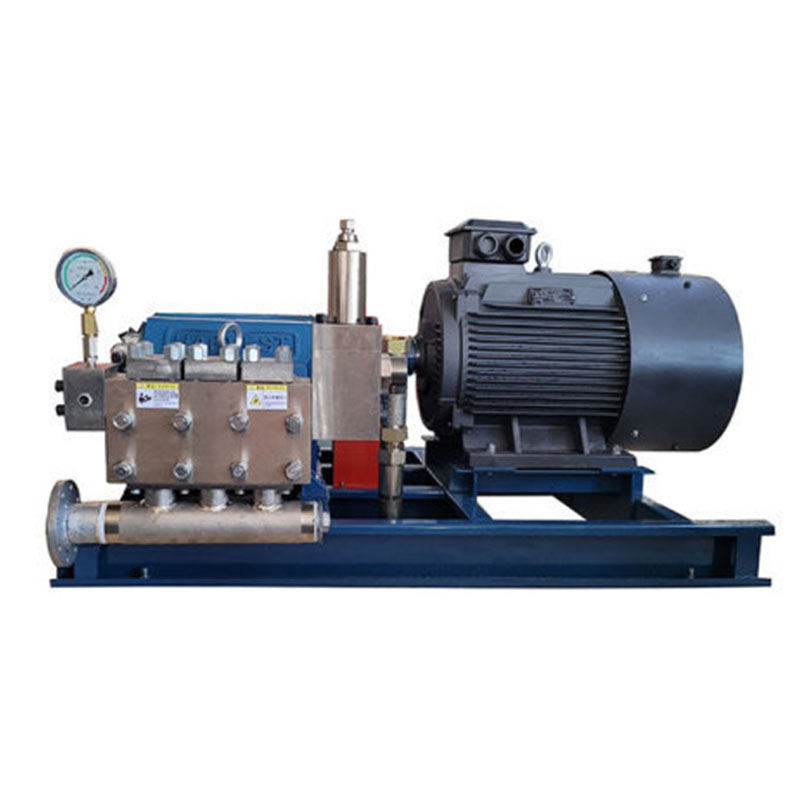
Oilfield high-pressure pumps move fluids at pressures and rates that surface centrifugal units cannot sustain—across drilling circulation, water injection, hydraulic fracturing, CO2 enhanced recovery, and pipeline pressure testing. Applications differ by fluid cleanliness, duty cycle, and whether solids or proppant travel through the wet end. This guide maps common upstream roles, compares reciprocating plunger duty with high-flow centrifugal injection service, and links each application to the pump type procurement teams typically specify.
What Roles Do High-Pressure Pumps Play Upstream?
Upstream oil and gas operations rely on high-pressure pumps whenever fluid must enter the wellbore or circulate through the drill string at controlled rate and pressure. Drilling rigs use mud pumps for circulation; production and injection programs use plunger or centrifugal boosters for waterflood and disposal; stimulation fleets use fracturing pumps for proppant slurry; EOR and CCS projects may add CO2 injection packages.
Each role stresses the pump differently. Circulation sees abrasive solids for days. Injection emphasizes stable metering on filtered brine. Fracturing delivers short, high-horsepower stages with sand loading. Procurement succeeds when the RFQ names the service line—not only a pressure rating copied from another application.
JET builds reciprocating high-pressure packages for mud, injection, fracturing, and CO2 duty, plus related industrial lines. Use this page as a map before you open a selection guide for a specific product family.
Drilling Circulation and Mud Pumps
During drilling, mud pumps circulate drilling fluid from pits through standpipe, hose, and drill string to the bit and back to surface. The loop cools the bit, transports cuttings, stabilizes wellbore pressure, and powers downhole tools.
Triplex reciprocating mud pumps dominate land and offshore rigs because they tolerate solids-laden slurry and deliver the flow and pressure drilling hydraulics require. Fluid end wear tracks strokes and sand content—not calendar time alone.
For selection criteria and fluid end specs, see the mud pump selection guide and the mud pump series product page.
Water Injection, Disposal, and Pattern Flood
Injection pumps maintain reservoir pressure and sweep in waterflood projects, or dispose of produced water at permitted rates. Duty is often continuous hours or days on relatively clean, filtered fluids compared with drilling mud.
Large water injection stations sometimes use multistage centrifugal trains for high flow at moderate pressure—often 10–30 MPa class depending on formation and tubing design. Smaller plunger injection skids serve wellhead or pattern injection where rate and pressure must be precisely controlled.
Specify suction filtration, allowable pressure ramp, and chemistry (brine, polymer, CO2 blend) when comparing quotes. Injection pump selection covers plunger layout and fluid end details for this service line.
Hydraulic Fracturing and Stimulation
Fracturing pumps deliver proppant-laden slurry at treating pressure during completion stages—intermittent but intense duty unlike steady water injection. Solids loading and peak horsepower per stage define fluid end metallurgy and fleet redundancy planning.
Land fleets commonly run triplex or quintuplex plunger units in parallel so one fluid end pull does not cancel a stage. Electric-drive spreads are increasingly specified where grid power and emissions rules favor fixed or semi-fixed locations.
Fracturing pump selection explains quintuplex versus triplex, proppant loading, and what to specify on stimulation programs.
CO2 Injection for EOR and Carbon Storage
CO2 injection for enhanced oil recovery or carbon capture storage operates in dense-phase or supercritical conditions where compressibility, seal containment, and metallurgy differ from water service. Dehydrated supply and phase stability at suction matter as much as discharge pressure.
Reciprocating injection skids may pair with compression depending on field layout. RFQs should state phase data, injection permit rate, and containment class—not only a water-based horsepower estimate.
CO2 injection pump selection covers phase behavior, seal plans, and EOR versus CCS duty differences.
When to Specify Plunger vs Centrifugal Oilfield Pumps
Reciprocating plunger pumps excel where pressure is high, fluid contains solids or requires precise rate control, or duty cycles include rapid pressure changes—mud, frac, many injection wellhead skids, and CO2 boosters.
Multistage centrifugal pumps fit high-flow, lower-pulsation continuous service such as large water injection stations and pipeline transfer when pressure stays within centrifugal envelope and fluid is clean.
Hybrid fields may run both: centrifugal transfer to a plunger booster at the well pad. Match technology to the fluid, duty cycle, and maintenance strategy your operations team already uses.
- Plunger: high pressure, solids, slurry, precise rate, intermittent peak HP
- Centrifugal: high continuous flow, cleaner fluids, moderate pressure bands
- Document fluid properties and hours-per-day before copying a sister-field spec
Specifying JET Oilfield High-Pressure Packages
Identify your service line first—circulation, injection, fracturing, or CO2—then bring target pressure, rate, fluid description, and prime mover preference to your RFQ.
Browse the high-pressure pump series for oil fields collection for injection, fracturing, and CO2 products, or the mud pump series for drilling circulation.
Request a quote through the contact page with destination port and startup timeline so engineering can propose frame size and fluid end options before rig-up.
FAQ
What is the most common high-pressure pump on a drilling rig?+
Triplex mud pumps are the standard for drilling fluid circulation on modern land and offshore rigs. They move solids-laden mud at the flow and standpipe pressure the hydraulics program requires.
Are fracturing pumps the same as water injection pumps?+
No. Fracturing pumps handle proppant slurry in short high-intensity stages. Injection pumps typically run cleaner fluids for longer continuous periods at stable rate. Fluid end design and fleet sizing differ—using one spec for both roles causes premature wear or wasted capital.
When do oilfields use centrifugal instead of plunger pumps?+
Centrifugal multistage trains are common where very high continuous flow is needed at moderate pressure on filtered water—for example large injection stations or pipeline boost. Plunger units remain preferred for high pressure, solids, slurry, and wellhead injection control.
Does JET supply pumps for multiple oilfield applications?+
Yes. JET manufactures mud, injection, fracturing, and CO2 high-pressure reciprocating packages for upstream service. Share your application, pressure–rate targets, and fluid properties when requesting a proposal.