
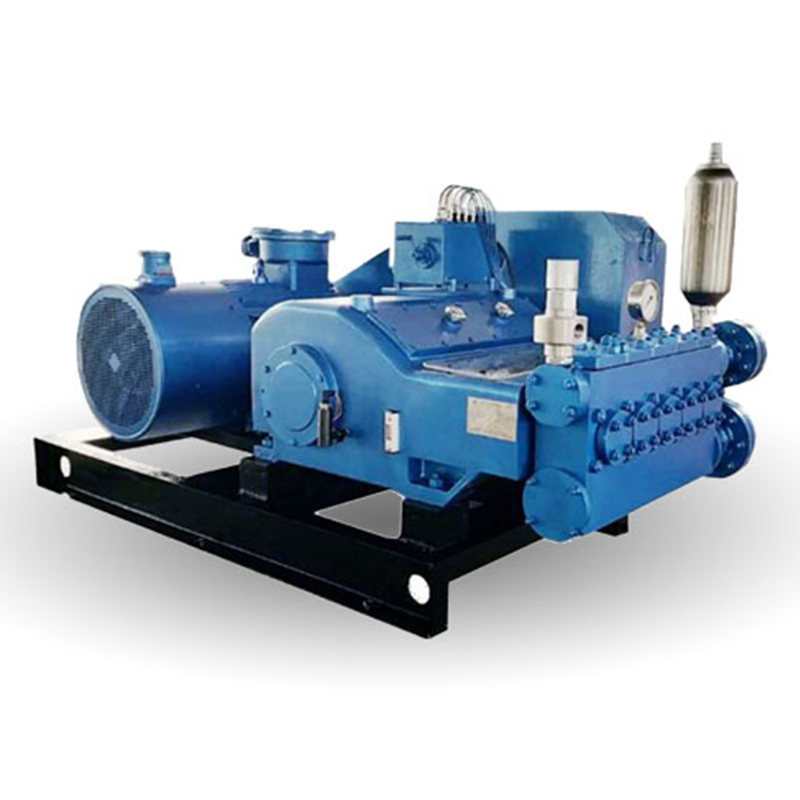
An oilfield water injection pump pushes treated water or brine into the formation at controlled pressure and rate so reservoir energy stays high enough to sweep oil toward producing wells. Waterflood and pattern-flood programs depend on stable injection over months—not peak horsepower for a few hours. This guide explains injection pump role in pressure maintenance, how plunger skids differ from large centrifugal injection stations, and what monitoring precision operations teams expect before opening a detailed selection guide.
What Role Does a Water Injection Pump Play in Waterflood?
As oil is produced, formation pressure drops and recovery slows. Water injection pumps replace voidage by sending filtered water into injectors aligned with the field pattern—line drive, five-spot, or peripheral flood—so oil banks move toward producers. The pump is the surface machine that converts prime mover power into downhole injectivity against rising back-pressure.
Injection pump oilfield duty is continuous compared with drilling circulation or fracturing stimulation. Units may run thousands of hours per year on relatively clean fluids, but rate and pressure setpoints must hold when filters load, seasons change water viscosity, or neighboring wells alter field response.
Disposal wells that accept produced water reuse similar pump technology with different regulatory and pressure envelopes. The same physical pump types appear; program goals differ.
How Do Injection Pressure and Rate Define Pump Duty?
Reservoir engineers set target injection rate and maximum wellhead pressure from injectivity tests, formation depth, and completion design. The water injection pump must operate inside that window without hunting or tripping on nuisance alarms when back-pressure drifts slowly over weeks.
Pressure too low fails to sweep the pattern; pressure too high risks fracturing the injector or breaking through to producers. Rate turndown matters when the same pad serves multiple zones or when pilot floods ramp volume gradually.
Specify continuous-duty power and performance across the full speed range—not a drilling peak rating copied from a rig datasheet. Injection pump selection covers frame sizing, fluid end materials, and turndown strategy in detail once you confirm this service role.
- Target rate and max wellhead pressure from reservoir engineering
- Continuous hours dominate pump life and maintenance planning
- Turndown required for multi-zone headers and ramping pilots
When Do Fields Use Plunger Skids vs Centrifugal Injection Stations?
Large onshore waterflood facilities often use multistage centrifugal injection pumps on a common header for very high total flow at moderate pressure—sometimes tens of thousands of barrels per day across a battery. Centrifugal trains fit when fluid is filtered, solids are low, and pressure stays within the pump curve.
Plunger injection skids—triplex reciprocating units—serve wellhead pads, offshore modules, and high-pressure injectors where rate must be metered precisely or discharge pressure exceeds typical centrifugal stages. A waterflood pump on a plunger skid holds setpoint when back-pressure changes faster than a centrifugal VFD can track without overshoot.
Hybrid fields transfer water centrifugally to a pattern header, then boost with plunger pumps at individual injectors. The injection pump type at each node follows pressure, flow, and control requirements—not a single field-wide standard.
What Monitoring and Precision Do Injection Programs Require?
Modern injection sites tie pumps to SCADA with flow, pressure, vibration, and sometimes acoustic monitoring on valves and packing. Slow pressure drift may indicate formation response or seal wear before a hard trip. Operators expect stable PID control—not oscillation that sends slug flow into the formation.
Filtration upstream of the water injection pump protects valves and seats; differential pressure across filters is part of the control story because pump suction conditions change as cartridges load. Include instrument taps, minimum signal lists, and shutdown logic ownership in the RFQ.
Leak containment and double-seal options matter on high-salinity and H2S service where injection water is corrosive. Precision here means reliable metering and documented rates for regulatory allocation—not laboratory accuracy alone.
How Does Polymer Flooding Change Water Injection Pump Requirements?
Polymer and chemical EOR programs inject viscous or shear-sensitive fluids that punish rapid rate changes. The same oilfield water injection pump frame may run plain water flood today and polymer tomorrow if the fluid end metallurgy, valve design, and ramp rates are specified upfront.
Shear through valves and fittings can degrade polymer before it reaches the formation, reducing viscosity and flood efficiency. Lower pulsation layouts and controlled acceleration on VFD starts become part of pump selection—not optional comfort features.
When polymer duty is possible, state concentration range, temperature, and allowable shear in the RFQ alongside waterflood baselines. Injection pump selection walks through dual-mode specification for crews planning both services.
Specifying JET Oilfield Water Injection Pumps
Share injection rate, wellhead pressure, water analysis summary, duty hours per day, and electric versus diesel drive preference. Note offshore weight limits or hazardous area classification if applicable.
Review the injection pump product line for high-pressure reciprocating packages built for upstream injection skids, and the high-pressure plunger pump series for shared-frame options across well service duty.
Request a quote through the contact page with field location and timeline. JET engineering can propose fluid end materials, lubrication, and skid integration before civil works lock on the injection battery.
FAQ
What does an oilfield water injection pump do?+
It pumps treated water or brine into injection wells at controlled rate and pressure to maintain reservoir energy and sweep oil toward producers in waterflood and pattern-flood programs.
Is a waterflood pump the same as a fracturing pump?+
No. Water injection pumps run cleaner fluids for long continuous periods at stable setpoints. Fracturing pumps deliver proppant slurry in short high-intensity stages. Fluid end design, fleet sizing, and control priorities differ.
When should a field use plunger instead of centrifugal injection pumps?+
Use plunger skids when wellhead pressure is high, rate must be precisely metered, or injectivity changes require tight setpoint control. Use centrifugal stations for very high total flow on filtered water at moderate pressure across a central battery.
Does JET manufacture oilfield water injection pumps?+
Yes. JET builds high-pressure injection pump packages for waterflood, disposal, and related upstream injection service. Provide rate, pressure, water quality, and duty hours when requesting a proposal.