
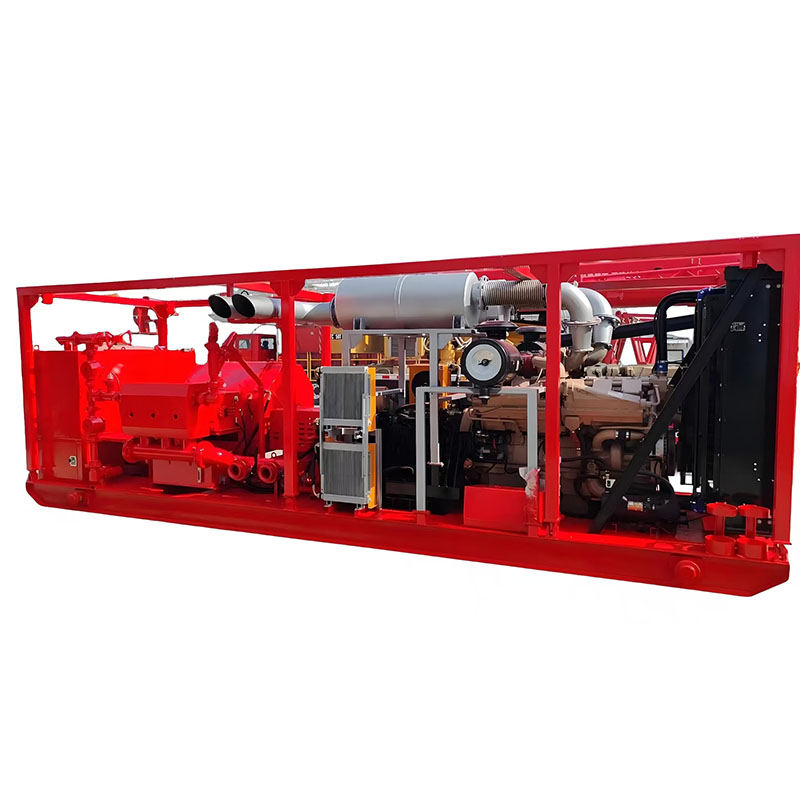
A cementing pump places engineered cement slurry into the wellbore annulus or liner lap so casing is bonded to formation and fluids are isolated between zones. It is the surface high-pressure unit that moves blended slurry from mix equipment through treating lines to the wellhead during primary, liner, or remedial cement jobs. This guide explains cementing pump purpose—not pressure tuning alone—covering why the annulus sheath matters, how slurry is pumped in sequence, and what integrity outcomes operations teams expect after displacement.
What Is the Purpose of a Cementing Pump on a Well Job?
After casing is run, the annulus between pipe and open hole—or between liner and parent casing—must be filled with cement slurry that sets into a solid sheath. The cementing pump delivers that slurry at programmed rate while spacers and displacement fluid follow behind to place the leading edge correctly. Without reliable pump delivery, channels form, top of cement falls short, or weak zones remain unisolated.
Cementing pump purpose spans primary cementing on new wells, liner cementing, squeeze and plug jobs, and remedial repairs where integrity logs show voids or micro-annuli. Each job type uses the same fundamental role: move weighted slurry from surface mix to downhole target volume before gelation window closes.
The pump does not design the slurry—that is the cementing engineer's blend—but it must not introduce rate surges or suction breaks that undo the program at surface.
How Is Cement Slurry Pumped Into the Wellbore?
Slurry is mixed to target density, then routed to the cementing pump suction. The unit discharges through a manifold to the cement head or treating iron connected to the casing string. Spacer fluid may precede cement to separate drilling mud from slurry; displacement fluid—often mud or water—follows to push the cement column to the calculated depth.
Reciprocating triplex cementing pumps are standard because they provide predictable volume per stroke on thick slurry and tolerate the pressures required to circulate past tight annular clearances. Rate follows the displacement schedule: start slow through critical zones, increase where geometry allows, then hold pressure or rate as the program dictates near bump plug or float equipment.
Offshore and land jobs share the same sequence; differences are skid footprint, mix system capacity, and how returns are monitored at the rig floor or platform.
- Mix → pump → wellhead → annulus or liner lap
- Spacer ahead of slurry; displacement fluid behind
- Pump reliability determines whether calculated volume reaches depth
Why Does Cement Placement Affect Well Integrity and Zonal Isolation?
The set cement sheath supports casing mechanically, seals permeable zones, and prevents formation fluids from migrating behind pipe—protecting aquifers and preventing pressure communication between productive intervals. A cementing pump failure mid-job can leave a free pipe section or channel that shows up years later as sustained casing pressure or failed integrity tests.
Regulators and operator standards tie barrier verification to documented displacement records: density, rate, and pressure traces that prove slurry volume matched the engineering calculation. The pump is therefore part of the well barrier story, not only a rental spread item.
Remedial cementing—squeeze through perforations or plug abandonment—uses the same pump role at smaller scale with higher emphasis on pressure containment at the surface.
What Do Modern Cementing Skids Include Beyond the Pump?
A cementing spread combines the pump with mixers, bulk storage, density instrumentation, manifolds, and control cabin software that logs the job. Multiple pumps may run in parallel on high-volume surface casing jobs; single-pump skids serve liner and workover cementing where rate demand is lower.
Skid layout affects how quickly crews can switch from water flush to slurry without contaminating the blend. Relief paths and recirculation protect the fluid end when valves close or lines plug—common on weighted slurry where pressure rises fast.
Electric and diesel prime movers both appear depending on pad power and offshore weight limits. Pump type on the skid is almost always reciprocating plunger for the reasons above; centrifugal units rarely replace the cementing pump on annulus placement jobs.
Related JET High-Pressure Packages for Well Service
JET high-pressure plunger pump series frames support well service builds including cementing skid integration, with fluid ends rated for abrasive slurry and spacer fluids. These packages share power-end architecture with other oilfield reciprocating lines so operators can align spares and maintenance practices across a fleet.
Cementing duty differs from fracturing pump purpose—sustained displacement and density accuracy versus short proppant stages—but both may draw from the same plunger pump engineering base. Specify the service line clearly when comparing product pages.
For pressure, density, and displacement control detail, see the cementing pump pressure and slurry guide; this page stays focused on why the cementing pump exists on the job.
What to Include When You RFQ a Cementing Pump Package
State job type, hole and casing sizes, target top and bottom of cement, slurry density range, and maximum surface pressure. Note mixing system (batch or continuous), number of pumps required, and whether the unit must interface with an existing cementing control system.
Include environment—land, offshore, cold climate—and prime mover preference. Maintenance access for fluid end pulls and valve service should match how many jobs per month the spread will run.
Request a quote through the contact page with well program summary and destination port so JET engineering can propose frame size and wet-end options aligned with cementing purpose, not fracturing peak horsepower alone.
FAQ
What is a cementing pump used for in a well?+
It pumps cement slurry from surface mixing equipment into the casing–formation annulus or liner lap at controlled rate so the slurry sets as a sheath for casing support, zonal isolation, and long-term well integrity.
Is a cementing pump the same as a fracturing pump?+
Both are often reciprocating plunger machines, but cementing pumps serve sustained slurry displacement with density and pressure accuracy over a full job. Fracturing pumps serve short high-rate proppant stages. Purpose and skid integration differ—specifications are not interchangeable without review.
Why are triplex pumps common for well cementing?+
Triplex plunger pumps deliver predictable volume on weighted cement slurry and handle the discharge pressures needed to circulate slurry through annular restrictions. That reliability supports displacement schedules where missing volume means failed isolation.
Does JET build pumps for cementing service?+
JET manufactures high-pressure reciprocating plunger packages suitable for cementing and well service skids. Share job type, slurry properties, and rate requirements when requesting a proposal.