
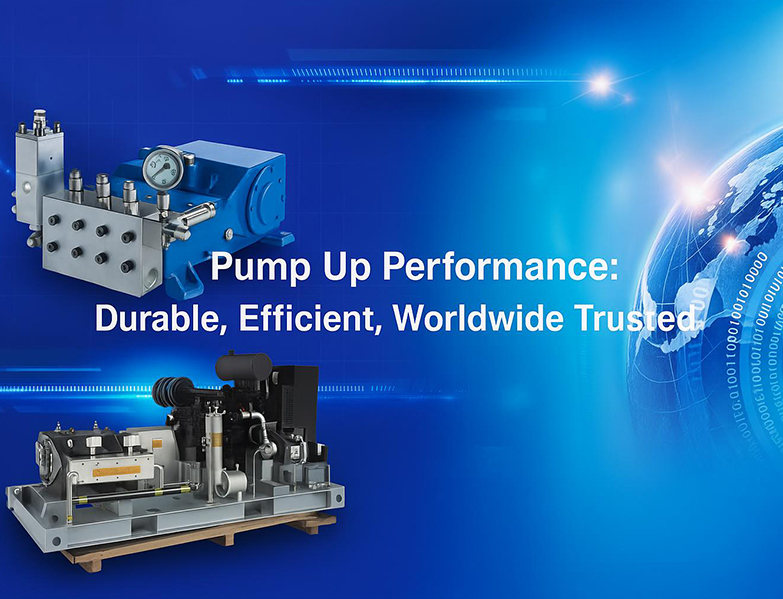
High-pressure pumps are essential components in numerous industrial, commercial, and scientific processes. They are designed to generate significant fluid pressure, far exceeding that of standard centrifugal pumps, to perform tasks ranging from cleaning and cutting to injection and testing. Understanding the different types is crucial for selecting the right pump for a specific application. This article categorizes high-pressure pumps based on their operating principles and design.
The fundamental mechanism of pressure generation is the primary way to classify these pumps.
1. Positive Displacement PumpsThese pumps operate by trapping a fixed volume of fluid and forcing (displacing) it into the high-pressure discharge line. Pressure builds as the flow encounters resistance. They are the most common type for generating very high pressures.
2. Kinetic (Dynamic) PumpsThese pumps impart velocity to the fluid, which is then converted to pressure energy. They are typically used for high-flow, lower-to-moderate pressure applications.
1. Intensifier PumpsThese are a specialized type of positive displacement pump designed for ultra-high pressures (often exceeding 40,000 psi / 2,750 bar). They use a hydraulic-driven piston with a large area to act on a smaller-area plunger, thereby intensifying the pressure. They are almost exclusively used in industrial waterjet cutting machines.
2. Plunger vs. Piston PumpsOften confused, the distinction lies in the sealing mechanism:
Choosing the right type depends on a holistic view of the requirements:
The world of high-pressure pumps is diverse, with each type engineered to excel within specific performance envelopes. From the pulse-free delivery of a screw pump in a hydraulic system to the relentless ultra-high pressure of an intensifier pump cutting through titanium, the correct selection is paramount. By first understanding the core principles of positive displacement versus kinetic pumps, and then evaluating the specific demands of pressure, flow, fluid, and duty cycle, engineers and operators can ensure they deploy the most efficient, reliable, and cost-effective pump for the job.